What Qualifies as a Plumbing Emergency (and What Doesn’t)?
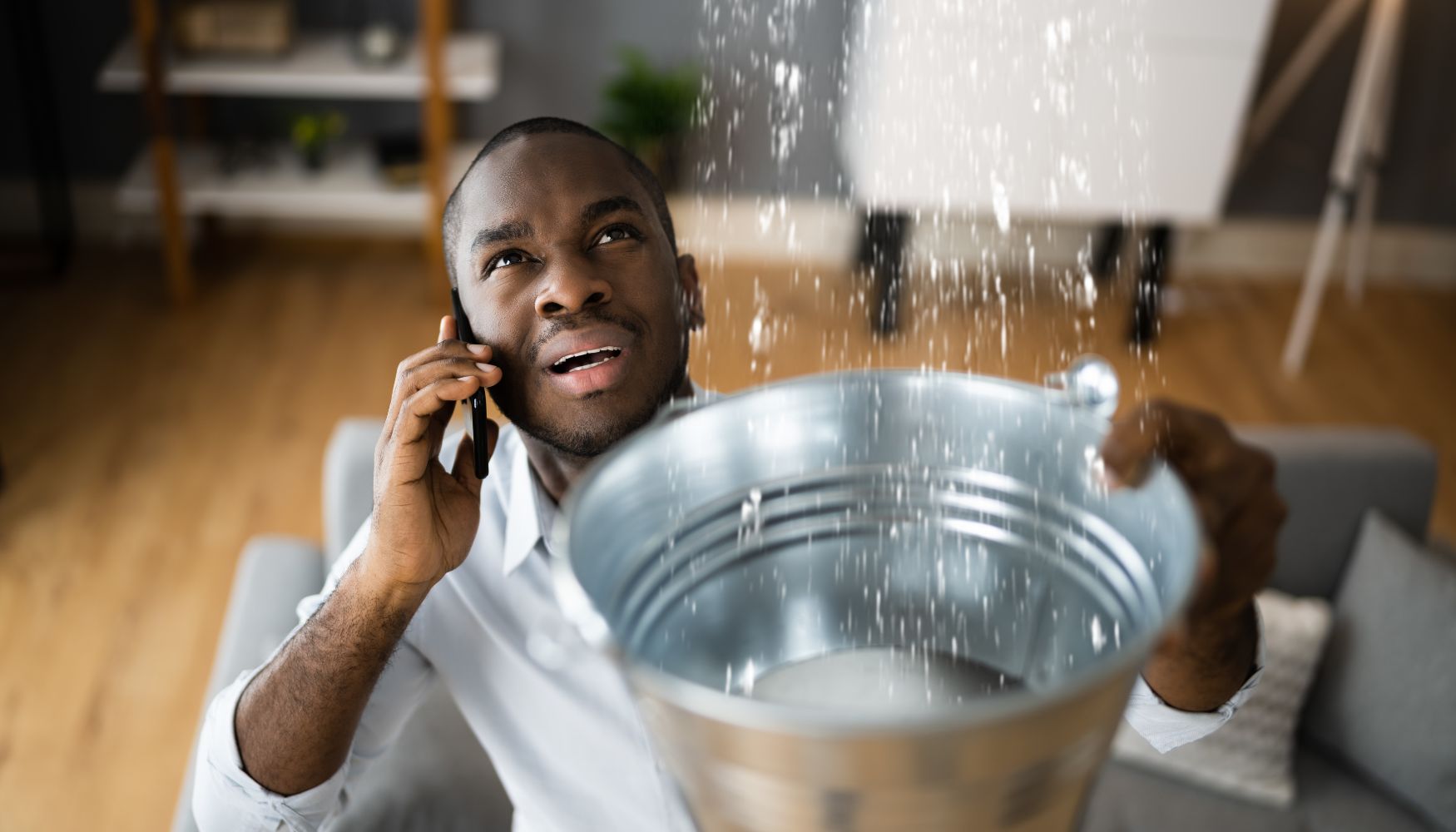
You walk in the door at the end of your work day, hang up your car keys, and throw your bag on the bench. Ready to grab a cold drink and sit down for a few minutes before making some dinner, you pause and turn your ear to listen. Hmm, that is an odd sound coming from the kitchen, you think. Do you hear running water?
Plumbing is one of the unseen luxuries in our homes and one of which we hardly ever consider — unless something goes horribly awry, and then the sky (or your ceiling) might literally be falling.
Of course, there are much lesser plumbing concerns, like a clogged toilet or kitchen sink.
So which scenarios constitute plumbing emergencies that you should call in the professionals?
Read further for professional recommendations on what plumbing issues require immediate attention and what can wait until the next day.
Table of Contents
- What Is Considered a Plumbing Emergency?
- 11 Plumbing Emergency Examples That Likely Require Immediate Attention
- What Doesn’t Qualify as a Plumbing Emergency?
- All Pro Plumbing: Expert Plumbing Services When You Need Them
What Is Considered a Plumbing Emergency?
Plumbing emergencies are never scheduled. They can strike at any time and often when you least expect them.
So what is considered a plumbing emergency, for real?
- Any issue that disrupts the flow of water into and throughout your home
- Plumbing breakdowns that causes property damage
- Water or sewer concerns that pose a health risk
Simply noted, if the safety of you or your family, your home or business, or your ability to use essential items such as toilets and running water are affected, it should be considered an emergency.
Whether it’s a major or minor plumbing issue in your Hillsboro, Oregon, area home or business, the team of experts to call is All Pro Plumbing Services.
11 Plumbing Emergency Examples That Likely Require Immediate Attention
#1: Water Leaks
Damage from even the smallest of water leaks can lead to expensive repairs if leaks go undetected. And of course, if you notice rapidly spreading water in your home, it is a plumbing emergency.
Quality plumbing materials are super-strong and can last for decades, but the occasional bad connection, clog, or extreme weather may cause damage to pipes that result in drips or leaks.
Detecting the water leak early can be as simple as not ignoring subtle changes in your home. Some suggestions to find plumbing leaks in your home without fancy equipment or skills include:
- Monitor your water bill
- Listen for mysterious dripping sounds
- Look for any signs of visible water damage
- Investigate any new cracks in the ceiling or walls
- Locate the source of a musty smell
- Monitor any changing meter readings:
- Ensure all water sources, including appliances, are turned off in the home
- Note the water meter reading
- Wait one hour without utilizing any water in the home, and recheck the meter reading again
- If the reading increases without using water sources, there is a leak somewhere in the home
#2: Water
When one plumbing problem arises, another one can quickly follow, and this is especially true if your home is prone to areas of standing water.
When standing water persists such as in floodplains or flooding occurs near your home, the saturated soil can become a big issue for a home. Saturated soil frequently contributes to foundation and slab leaks, which weaken the home’s structure and stability.
Foundation and slab leaks usually develop secondary to the soil shifting around the foundation. Cracks can develop, and in severe cases, the home may shift enough to appear crooked and become unstable. When the foundations shift, inevitable damage to pipes and other plumbing fixtures will result.
Repairing foundation and slab leaks can be a costly project. Only professionals can do it legally, and there are usually permits, city ordinances, and building codes that are required to complete the work.
Homeowners need to monitor the home for cracks in walls and floors, gaps around windows, and sagging floors that might indicate a foundation issue. If any of these signs are present, promptly call professional contractors to avoid further damage.
#3: Damaged or Burst Pipes
A damaged or burst pipe can quickly cause extensive water damage, or worse, flood your home.
While burst pipes are often related to freezing temperatures or aging pipes in an older home, they can happen at any time.
Pipes may freeze because cold temperatures cause the water inside to solidify and expand, which then exerts pressure on the pipe walls. This is most common in areas where pipes are exposed to cold air, such as:
- Crawl spaces
- Basement
- Unheated areas
- Exterior walls
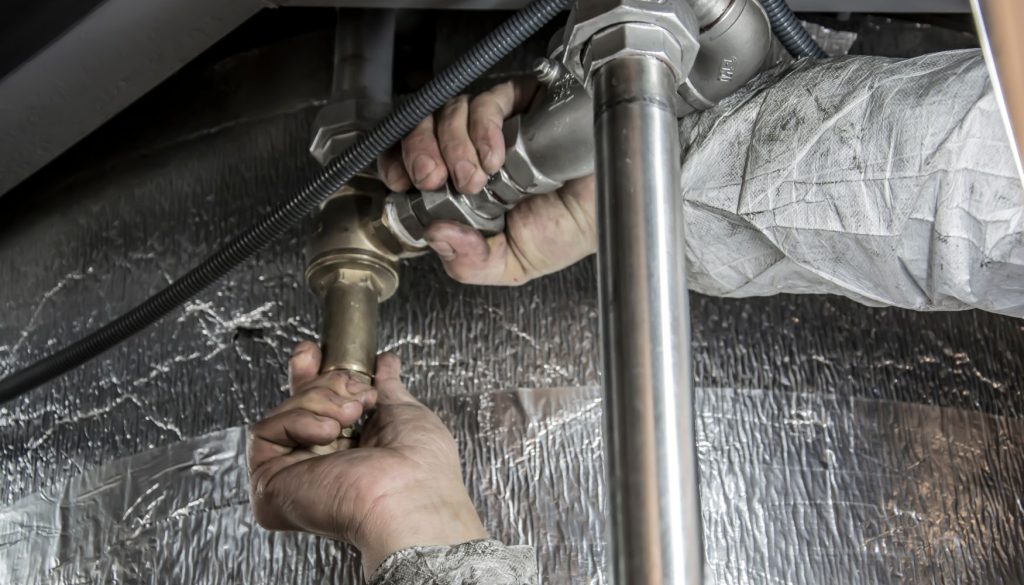
It is important to know how to act quickly and who to contact to minimize damage if your pipes freeze or burst.
#4: Low Water Pressure
Some plumbing problems are immediately obvious, like a leaky faucet or a clogged drain. However, others — like low water pressure — can sneak up on you.
When you notice low water pressure, this can make everyday tasks like washing dishes or taking a shower a frustrating experience.
What causes low water pressure? Some common culprits include:
- Leaks in the plumbing system
- Blocked pipes or fixtures
- Faulty pressure regulator
- Water heater failure
- Restricted water flow from a meter valve
- Concerns with a municipal water supply
The water pressure might first be just an annoyance, but left unchecked, it could develop into a much more costly and extensive repair bill.
#5: Sagging Ceiling
A sagging ceiling may indicate a history of a plumbing leak or a small and insidious leak.
Inspecting the ceiling can help determine whether it is an active leak by feeling it for moisture and weakness. It could also be an intermittent leak from rain and storms if there is roof damage or deterioration present — which may allow drying time between weather events.
Especially if the change is new, homeowners should quickly determine the source to prevent further and more extensive damage to their home.
#6: Clogged Drains
Clogged drains can occur anywhere there are pipes within your home, including:
- Sinks
- Showers and tubs
- Toilet
- Dishwashers
- Garbage disposal systems
Severe blockages in any of these pipes can lead to the backup of water and potential water damage or leaks.
#7: Overflowing Toilet
It happens in every household, right? The embarrassing overflowing toilet.
What should you do when it happens?
- Turn off the water supply as quickly as possible
- Address the clog
- Clean up the residual water
- Check the tank flapper
- If the toilet is filling after flushing, the flapper may not be sealing properly
- You may be able to press the flapper down to prevent further filling
- Consider calling in the pros
- An emergent call may be needed if you only have one bathroom and you cannot resolve the issue
#8: Gas Leak
A faint smell of gas near your water heater can be unsettling. While some level of odor may be noticeable due to the combustion process in gas water heaters, a strong or persistent smell is a cause for concern.
A gas leak is not something to take lightly. If you suspect a gas leak, follow these steps:
- Evacuate: If you notice a strong gas smell and suspect a leak, evacuate your home immediately.
- Call for help: Contact your gas company or emergency services to report the gas leak.
- Turn off the gas supply: If you know how to safely do so, turn off the gas supply to the home.
- Do not use any electric or electronic items: Refrain from using any electrical devices, switches, or phones, as they could potentially trigger a spark.
- Ventilate the home: Only after you are informed the home is safe, open windows and doors to allow fresh air to circulate and the gas to dissipate.
While a faint gas smell might not necessarily indicate a serious issue, a strong or persistent odor demands attention. It is important to differentiate between a normal, intermittent odor and a potential gas leak.
Even if the odor is faint, if you suspect a gas leak it’s always best to err on the side of caution and seek professional assistance.
#9: Backed-Up Sewage
As most people would agree, a sewage backup issue is not only a worst-case scenario, but can also pose a huge health risk.
Unfortunately, sewer line problems can be tricky to spot, as they often develop gradually and are not always obvious.
If you suspect something could be wrong with your sewer pipes that could lead to a blockage or back-up in the pipes, you should start looking for clues as soon as possible.
What potential signs may indicate a sewage issue?
- Slow drains
- Sewer odor
- Frequent back-ups in your sinks, toilets, or bathtubs
- Mold growth on walls or floors
- Lush patches of grass
- Soggy spots in your yard
- Frequent gurgling noises from drains
- A sudden appearance of rodents or insects
As a sewer concern ranks high for health concerns, it is important to address the issue promptly and with professional help.
#10: Loss of Water
It is unusual not to have any water service in your home, but if this occurs, your first contact should be with your water provider to see if there is a system-level issue.
If the problem does not lie with your water provider, the next call should be to your professional plumbing company to help determine the cause.
Lack of water could be caused by a burst pipe or a problem with your main water service line and constitutes an emergency call.
#11: Water Heater Failure
The lack of hot water is the last thing you want to discover when you hop into the shower.
Losing access to hot water from your failing water heater is not just inconvenient, but it can truly disrupt your household’s daily routine of hygiene, washing dishes, and doing laundry.
Are there signs your water heater needs attention before it decides to just quit?
- Changes in the hot water pressure and temperatures
- Rust-colored water
- Odd noises coming from the appliance
- Leaks or moisture around the tank
If any of these issues sound familiar, you should probably schedule an inspection or request maintenance services.
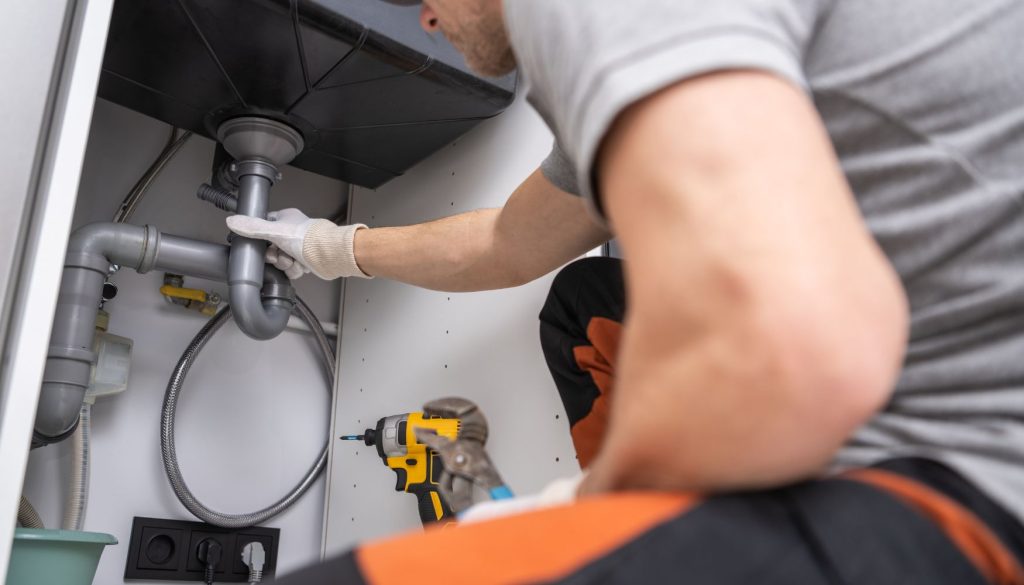
What Doesn’t Qualify as a Plumbing Emergency?
Emergency calls are almost always accompanied by a repair bill that reflects the untimely situation, so you obviously would like to avoid emergency plumbing calls.
Some plumbing concerns can be easily addressed by a plumber with a scheduled and routine visit to your home, and some issues can be tackled by the homeowner with a little motivation and elbow grease.
Some plumbing concerns that do not qualify as a plumbing emergency include:
- Dripping or a slow leak from a faucet
- A clogged toilet
- Slow or clogged drains
- Minor leaks under a sink
- A slow development of mold or mildew around pipes
All Pro Plumbing: Expert Plumbing Services When You Need Them
When a plumbing disaster strikes, you need prompt attention to prevent water damage in your home. All Pro Plumbing is just that — a team of professionals who offer a wide range of repairs to keep your plumbing system functional and safe.
For routine or emergency plumbing concerns in the Hillsboro, Portland, and surrounding areas, All Pro Plumbing is here to help you resolve your unpredictable plumbing issues. Our goal is to fix the problem efficiently — while keeping you informed every step of the way.
With over 20+ years of service and a large fleet of service vehicles, we are Portland’s most trusted plumbing service. Affordable, speedy, and professional work is our goal and our promise.
Contact us today for prompt and efficient service with your routine or emergent plumbing needs.