What To Do After a Pipe Bursts: Tips for Protecting Your Home From Water Damage
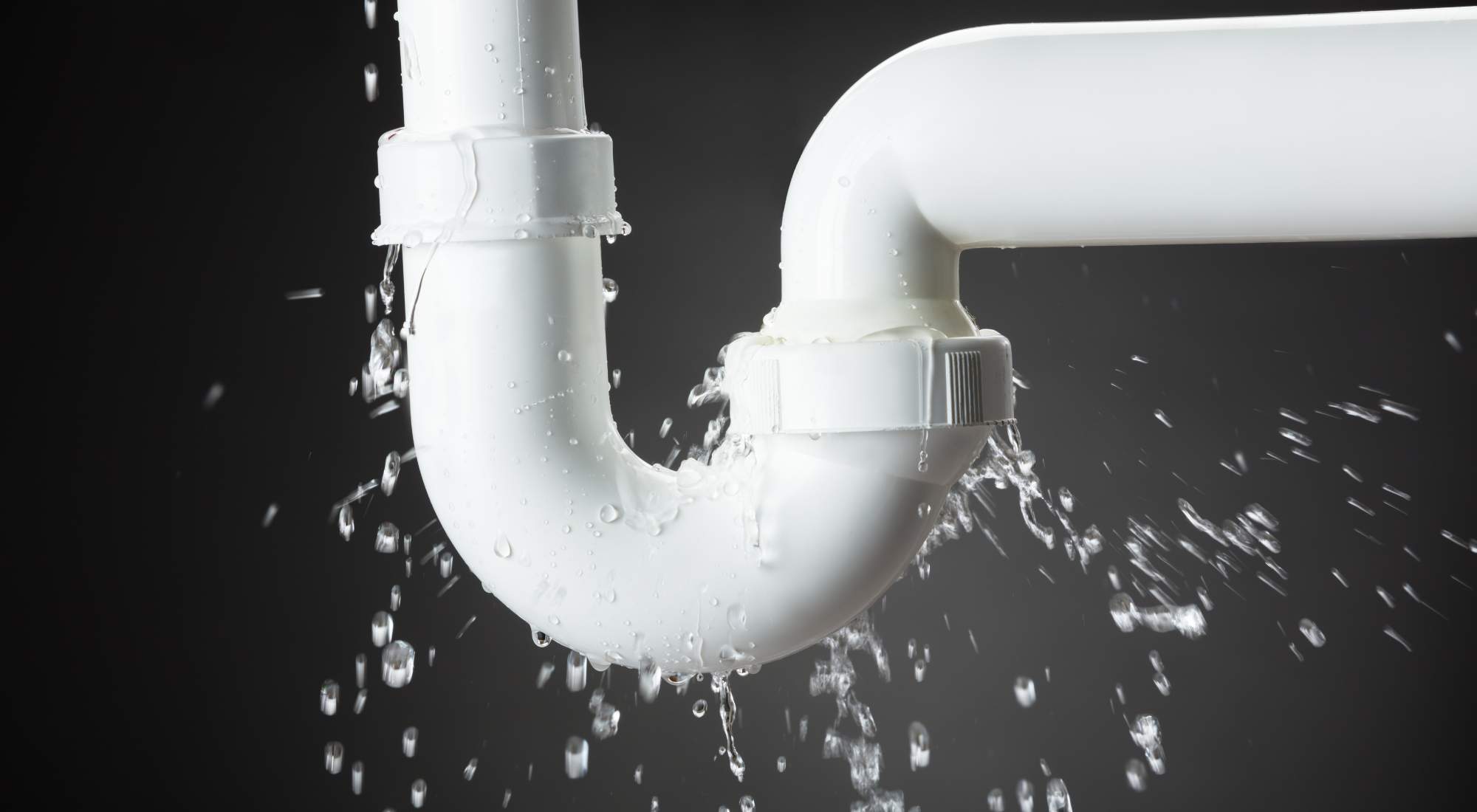
Whether it’s a sudden crash of water on the floor or a slow and foreboding water stain across your ceiling — burst pipes don’t wait for a convenient time. It’s either a holiday, in the middle of the night, or while you’re away on vacation.
In no time at all, burst pipes can turn your home into a water-logged mess, soaking walls, ruining floors, and flooding your sense of control. But when water pipes burst, you need to take charge right away.
In this guide, we’ll walk you through what to do after a burst water pipe, including signs to look for, steps to take to stop the damage, and ways to prevent issues again in the future.
Table of Contents
- What Are the Signs of a Burst Pipe?
- Possible Damage Resulting From a Burst Pipe
- 9 Tips on What To Do After a Burst Pipe
- How To Prevent Burst Pipes
- Need Help After a Pipe Bursts? Choose All Pro Plumbing for Burst Pipe Repair
What Are the Signs of a Burst Pipe?
Though you might think the signs of burst water pipes would be obvious — like the loud sound of water spraying out — often signs of burst pipes can be subtle and left unnoticed.
Look out for these signs that you might be dealing with a water leak due to pipes that have burst:
- Unexpected spikes in your water bill
- Unusual color or cloudiness in your tap water
- Irregular or weak water pressure
- Strange sounds coming from the plumbing
- Standing water or damp spots in unexpected areas
- Unpleasant smells coming from the water
- Visible mold growth near walls or baseboards
- Streaks or stains appearing on walls and ceilings
- Weak or absent water flow from taps, showers, or faucets
- Ice or frost forming on visible pipes
- Moist or soggy areas on drywall, carpeting, or ceilings
- Odd or unpleasant odors coming from drains or faucets
If you notice any of these indications that you may have a water leak, don’t wait to call the professionals at All Pro Plumbing. Whether you’re dealing with a slow leak or need us in an emergency due to burst pipes, we are just a phone call away. We always have someone on call and ready to help make repairs when you need them.
Possible Damage Resulting From a Burst Pipe
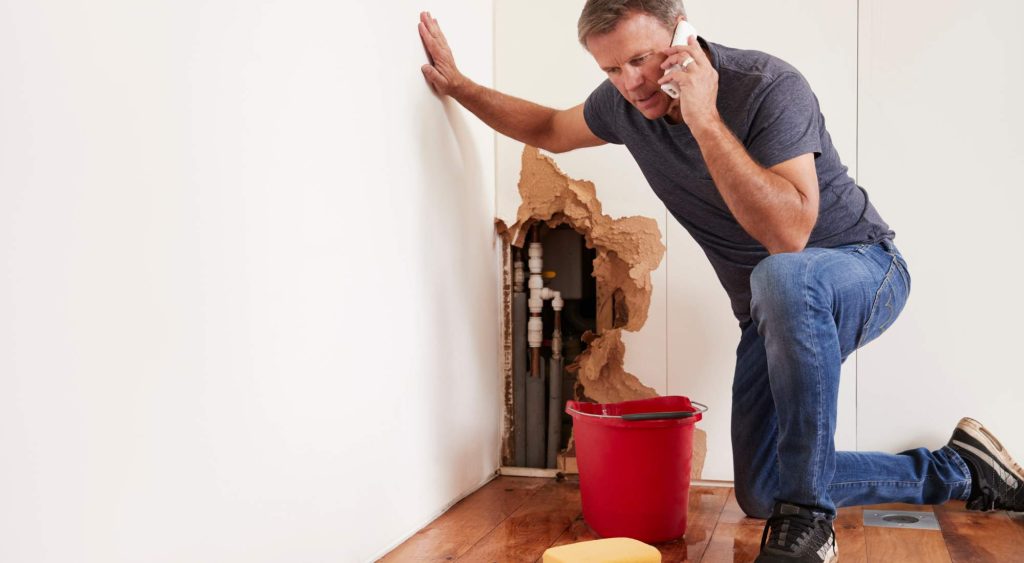
It goes without saying that when water pipes burst, you need to act fast. Depending on the types of pipes that burst, the amount of water, and other variables, some sort of damage is unavoidable — and some damage may be irreversible and immediate.
The sooner you act, the better chance you have of limiting the damage that may occur.
Mold and Mildew
Mold and mildew flourish in damp, dark environments — making the aftermath of a burst pipe an ideal breeding ground for mold. It may be difficult to clean up mold by yourself, and calling in mold remediation specialists can be expensive, costing thousands of dollars.
Structural Damage
Burst pipes can cause serious structural damage to your home or business, including:
- Weakened foundations
- Compromised support beams
- Warped or collapsed ceilings, walls, and floors
Electrical Damage
If a burst pipe reaches electrical outlets or components, it can trigger short circuits that damage your system. In more severe cases, it can lead to electrical fires or even electrocution. Any burst pipe that comes into contact with electrical wiring should be addressed immediately by a licensed plumber.
Property Damage
Excess moisture due to burst water pipes can also take a toll on your personal belongings. Wood rot, for example, can deteriorate the furniture and structural elements of your home. You may need to discard items that can’t be salvaged.
Repair and Restoration Costs
A burst pipe can wreak havoc on your floors, walls, ceilings, plumbing, and other areas of your home. On average, restoring water damage from such an incident can cost anywhere from a few hundred to several thousand dollars.
9 Tips on What To Do After a Burst Pipe
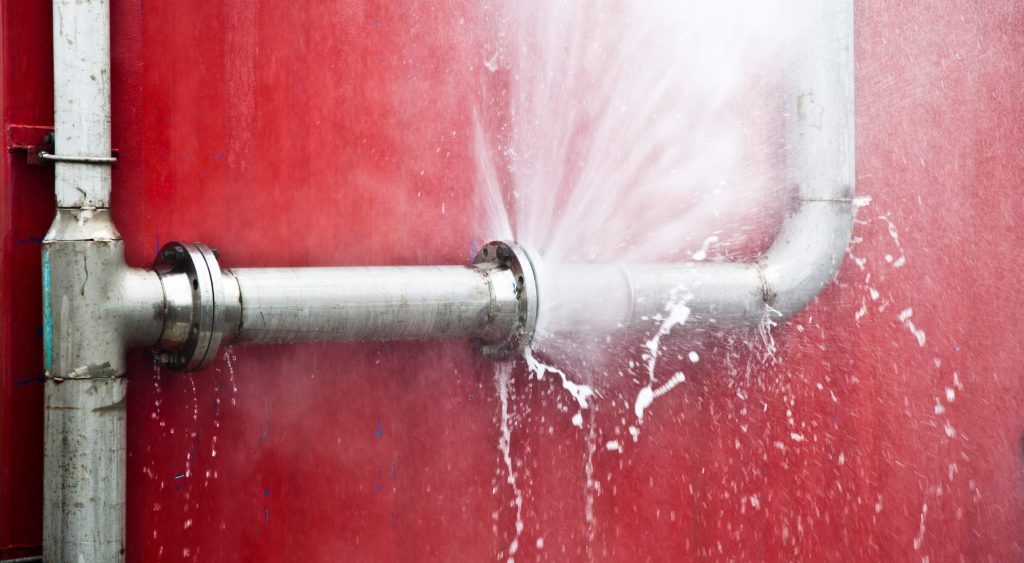
Okay, now that you’re thoroughly convinced of how much damage burst water pipes can do, you want to be prepared in case it happens to you.
Arm yourself with the steps of what to do as soon as you notice the signs of a burst pipe. Fast action can halt immediate damage, potentially save you loads of money, and help you salvage your treasured belongings.
#1: Shut Off the Water
To prevent further flooding and damage, start by turning off your main water supply. Water shut-off valves can be located:
- In the basement
- In the crawl space
- Near the water heater
- Outside near the water meter
If the leak is severe, it’s also wise to shut off your electricity. Water can travel quickly and reach electrical outlets or your fuse box, posing a serious safety risk.
If your water meter and main shut-off valves are buried and require special tools to access, try to isolate the leak by turning off localized shut-off valves — such as those connected to your water heater, boiler, or the small valves under sinks and toilets. If you can’t stop the flow, call a licensed plumber immediately — like All Pro Plumbing — who will have the proper tools and training to safely shut off a buried main water supply.
#2: Drain the Taps
Once the water supply is off, open all faucets to drain the remaining water and help prevent freezing. This is especially important if your electricity is also turned off.
Next, flush your toilets several times to release pressure from the system. Be sure to turn off your water heater as well, but leave all taps open. This allows water to drain fully and prevents pressure buildup in the plumbing.
#3: Locate the Leak
Now that you’ve stopped the flowing water, it’s time to do some investigating and track down the source of the leak. The sooner you pinpoint the affected area, the better your chances of reducing damage. The leak could be hiding in your:
- Kitchen
- Bathroom
- Basement
Search carefully, paying attention to every corner of your home. Watch for signs like bulging ceilings or floors and damp spots on walls. If you find the leak, use rags or towels to temporarily plug it and slow the water flow. Place a bucket underneath any dripping water to help protect your floors from further damage.
#4: Take Pictures of the Burst Pipe and Damage
When a burst pipe is flooding your space, taking photos might not seem like a top priority, but documenting the damaged pipe and affected areas can be invaluable when filing an insurance claim. Insurers often require evidence of both the cause and the extent of the damage before approving coverage.
Document the damage thoroughly by taking photos of affected areas, such as wet walls, soaked carpets, and any water-damaged furniture or electronics. Keep all receipts related to repairs, temporary lodging, and other expenses.
If the burst pipe is close to electrical wiring or appliances, it can be dangerous to take pictures yourself. In that case, turn off the power to the affected area along with the water supply and wait for your plumber to arrive. You can then ask the professional to document the damage for you safely.
#5: Clean the Area
No one wants to live in the mess caused by water spewing from pipes. Once you’ve shut off the water supply, located the leak, and documented the damage, cleanup can begin. Water left standing can lead to mold, mildew, and other damage.
Use a mop or absorbent towels to remove as much water as possible. Save any important items and shift furniture to check for hidden moisture. If the weather allows, open windows to let in fresh air and help the space dry out faster.
#6: Call Your Insurance Agent
Next, contact your insurance company to let them know about the burst pipes to begin a claim. It’s also a good idea to keep detailed notes of your communications with the insurance company, including dates, names, and summaries of conversations.
Homeowner’s insurance may cover water damage from a burst pipe if the incident was sudden and accidental. However, if the pipe bursts due to negligence or poor maintenance, the damage is usually not covered. Learn more about how homeowners insurance can apply to plumbing issues and water damage in your home.
#7: Call a Professional
Once you’ve found the leak and taken steps to limit further damage, the next step is to contact an emergency plumbing service. Though you might be tempted to attempt the work on your own, it’s best to call a professional who knows the ins and outs of plumbing repairs. You’d be much better off getting the repairs done correctly and safely rather than trying them yourself, not getting the repairs quite right, and then calling in the pros in the end.
Though you may need to pay emergency plumbing rates, you’ll be able to rest assured that the job is done right.
When you’re dealing with burst water pipes and water damage in Portland, All Pro Plumbing is a reliable company that can quickly come to your aid. Because of our knowledge and expertise, you can be sure your emergency will be resolved as soon as possible.
#8: Run a Dehumidifier
Even after you’ve cleaned up the water you can see, there may still be water in other places that you can’t see. Moisture often seeps into hidden areas that don’t dry easily on their own, creating the perfect environment for mold growth.
To prevent this, set up fans and dehumidifiers around the affected area to speed up the drying process. If the leak was behind a wall and you had to remove drywall for repairs, be sure to direct a fan or dehumidifier into the exposed area to dry it thoroughly and reduce the risk of mold developing there.
#9: Replace the Pipe
If you have plumbing experience, you may be able to replace the damaged section of pipe yourself. This typically involves cutting out the broken piece with a pipe cutter, fitting a repair sleeve, and soldering it securely. Before starting, be sure the pipe is fully drained and the main water supply is turned off.
You should only attempt this if you know exactly what you’re doing. Improper repairs can lead to more leaks and costly damage. If you’re not confident in your own skills, a professional — like one of the licensed plumbers at All Pro Plumbing, should do the job.
How To Prevent Burst Pipes
Try these tips to avoid issues with burst water pipes:
- Drain sprinkler systems and pools according to the manufacturer’s instructions.
- Unhook garden hoses, store them in a garage, and turn off the valves to outdoor faucets.
- Insulate pipes in unheated areas of your home, like basements, garages, crawl spaces, and attics.
- If water supply lines are located in the garage, keep the garage door closed as much as possible.
- Leave taps dripping when temperatures are below freezing.
- Leave the thermostat on, even if you aren’t at home. The U.S. Department of Energy suggests setting thermostats to 68 degrees Fahrenheit in the winter.
Need Help After a Pipe Bursts? Choose All Pro Plumbing for Burst Pipe Repair
All Pro Plumbing has been serving Portland homeowners for over 20 years.
We believe in setting clear expectations and meeting them. Our team is committed to providing fast, professional, and affordable service. With a large fleet of service vehicles, we’re equipped to respond quickly across Portland when emergencies like burst water pipes occur.
Whether it’s burst pipes, water heater service, fixture installations, or other plumbing services, contact us today and save $50 on your first on-site service.