Extending Your Water Heater Tank Life: How Often To Replace Your Anode Rod
You’re halfway through your morning shower when the water turns lukewarm — again. Maybe there’s a faint metallic smell, or you’ve noticed rust-colored water staining the tub. Your water heater seems fine from the outside, but something’s clearly not right.
Before you start budgeting for a new water heater, there’s one small part inside your tank that might be the real culprit: the anode rod.
This unsung hero silently protects your tank from rust and corrosion, but it doesn’t last forever. Ignoring it can shave years off your water heater’s life and cost you big in repairs or replacements.
Having water heater problems? The solution may be as simple as replacing the anode rod. Learn all about this essential part and how often to replace it from the team at All Pro Plumbing, Hillsboro’s trusted water heater experts for over 20 years.
Table of Contents
- What Is an Anode Rod?
- What Happens When the Anode Rod Is Bad?
- Is an Anode Rod Replacement Necessary?
- How Often Should You Replace Your Anode Rod?
- 6 Factors That Affect How Often To Replace Water Heater Anode Rods
- How Do I Know if My Anode Rod Needs Replacing?
- Determining How Often To Replace the Anode Rod in Your Hot Water Heater
- Why Call the Plumbing Pros Instead of DIY?
- All Pro Plumbing: The Trusted Source for Water Heater Services in Portland
What Is an Anode Rod?
Tucked inside your water heater is a simple metal rod that does a surprisingly big job — it takes the hit so your tank doesn’t have to.
That rod is called the anode rod, often referred to as a sacrificial anode. It’s usually made of magnesium, aluminum, or zinc, and its job is to attract corrosive minerals and sediment that would otherwise eat away at the inside of your water heater.
Here’s the simple version.
Water, especially hard water, is full of minerals that naturally want to corrode metal. The anode rod is made of a softer, more reactive metal than your tank’s steel lining. So instead of the tank rusting first, the anode rod “sacrifices” itself, corroding over time so your tank stays protected.
Think of it like a bodyguard for your water heater. It quietly takes the damage, extending the life of your unit, helping prevent rust, leaks, and early failure.
The result? Fewer costly repairs and a water heater that lasts years longer.
Just one catch. The rod doesn’t last forever. And if it’s fully corroded, your tank is next in line.
What Happens When the Anode Rod Is Bad?
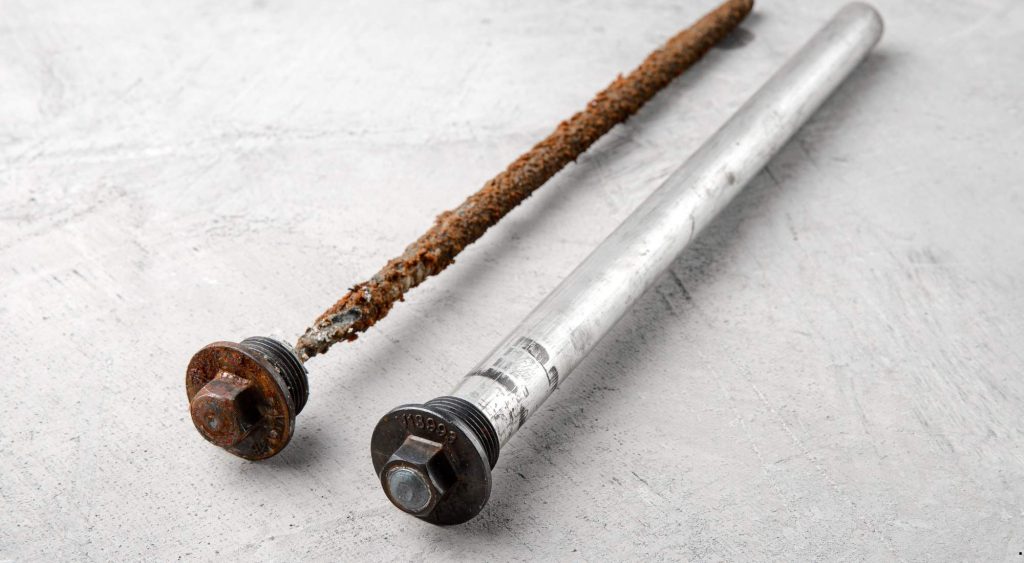
When the anode rod is worn out, your water heater loses its main defense against rust, causing corrosion that can lead to leaks and costly damage.
That’s why knowing how often to replace the anode rod in a water heater is key. For example, if a homeowner waits too long, they might find rusty water or a sudden leak. These signs indicate the tank’s protection has failed, and repairs or replacement are needed.
Luckily, your water heater usually gives you a heads-up before the anode rod is completely worn out. You might notice rusty or discolored water, a strange metallic smell, or even unusual noises from the tank. Catching these signs early means you can replace the rod before serious damage occurs, saving you time and money down the road.
Is an Anode Rod Replacement Necessary?
Yes. Replacing the anode rod is essential to protect your water heater from corrosion and extend its lifespan. Ignoring it can lead to costly repairs or early tank failure.
Replace your anode rod when:
- It’s heavily corroded or worn down
- You notice rusty or discolored water
- There’s a strong metallic or sulfur smell
- Your water heater is over 3–5 years old and hasn’t been checked
- You hear unusual noises coming from the tank
- You’re performing regular maintenance or water heater servicing
How Often Should You Replace Your Anode Rod?
To keep your water heater running smoothly and lasting as long as possible, it’s important to check and replace the anode rod on a regular schedule. Most experts recommend inspecting your anode rod every few years and replacing it about every 3 to 5 years, depending on water quality and usage.
If you skip this essential maintenance, the rod can wear out completely, leaving your tank exposed to rust and corrosion caused by minerals, heat, and chemical imbalances. Over time, this damage can lead to leaks and the need for costly repairs or even a full water heater replacement.
Don’t wait until it’s too late! At All Pro Plumbing, our experienced team in Hillsboro can inspect and replace your anode rod quickly and professionally, helping you extend the life of your water heater and avoid unexpected breakdowns. Give us a call today to schedule your water heater check-up!
6 Factors That Affect How Often To Replace Water Heater Anode Rods
How often you need to replace your water heater’s anode rod isn’t one-size-fits-all. Several factors play a role in how quickly the rod wears down, impacting your water heater’s lifespan.
Here are six key things that affect anode rod replacement frequency:
- Water Usage: The more water you use, the quicker the anode rod wears out. High water consumption means the rod has to work harder to protect your tank, shortening its lifespan.
- Water Quality: Hard or corrosive water speeds up corrosion on the rod. Minerals and chemicals in poor-quality water increase the rate at which the anode rod breaks down. Learn more about Oregon water quality here.
- Water Softener Usage: Softened water can cause the rod to degrade faster than usual. While softeners reduce mineral buildup, they can also make water more aggressive toward the anode rod.
- Anode Rod Material: Magnesium rods corrode more quickly than aluminum or zinc alternatives. However, magnesium rods provide better protection in many water conditions, so the trade-off is often worth it.
- Water pH: Extremely acidic or alkaline water increases corrosion rates. Water outside the neutral pH range can aggressively attack the anode rod and your tank’s metal lining.
- Sediment and Minerals in Water: Sediment buildup inside the tank accelerates rod wear and damages the heater. These deposits can trap heat and cause uneven corrosion, leading to early failure.
Knowing these can help you better predict when it’s time for maintenance and avoid unexpected water heater problems. If the water where you live meets one or more of these conditions, it’s especially important to perform water heater maintenance every 2 to 3 years — including checking the anode rod — to keep your system in top shape.
How Do I Know if My Anode Rod Needs Replacing?
A worn anode rod often shows signs like rusty water, unpleasant odors, or unusual noises from your water heater. These clues suggest it’s time for a closer look to prevent bigger issues down the line.
Common indicators include:
- Rust-colored or cloudy water
- Metallic or sulfur-like smell
- Loud popping or banging sounds
- Visible corrosion when inspecting the rod
- Water heater leaks or reduced efficiency
Determining How Often To Replace the Anode Rod in Your Hot Water Heater
Check the Manufacturer’s Instructions
Your water heater’s manual is the best place to start when figuring out how often to replace the anode rod. Manufacturers’ instructions provide specific guidance based on your model’s design and materials, helping you avoid guesswork and keep your system running smoothly.
Visually Inspect the Anode Rod
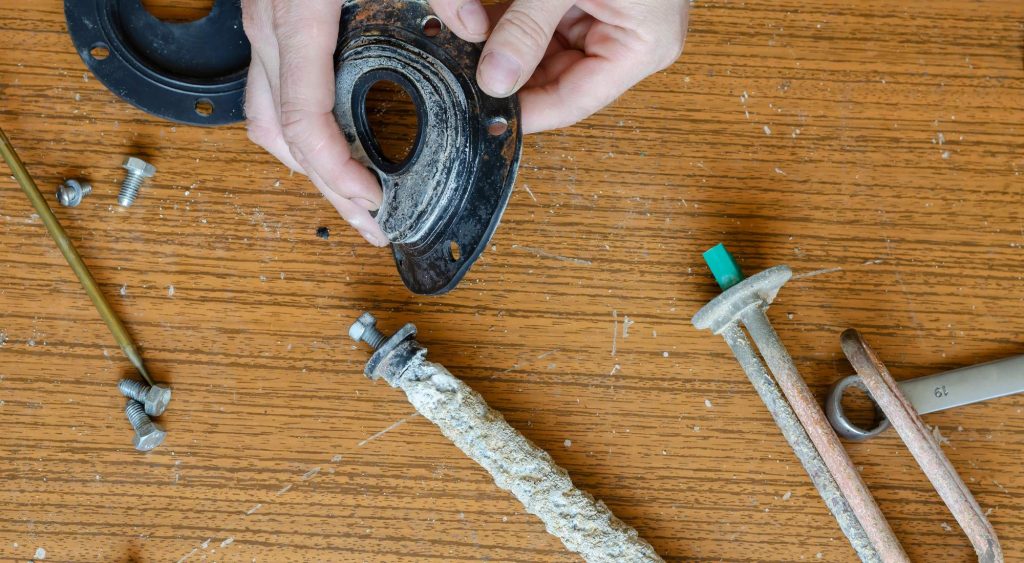
Regularly checking your anode rod can help you spot wear before it causes damage. Remove the rod and look for heavy corrosion, deep pitting, or if it’s worn down to less than half its original thickness. These are clear signs it’s time for a replacement.
Consider the Age and Condition of Your Hot Water Heater
Older water heaters, especially those over 5 years, are more likely to need anode rod replacement. If your unit shows signs of wear like leaks, rust, or decreased performance, it’s wise to check the rod sooner rather than later to avoid costly repairs. With proper maintenance, including timely anode rod replacement, a water heater can last anywhere from 10 to 20 years.
For reliable water heater installation and maintenance in Hillsboro, trust All Pro Plumbing to keep your system in top shape. Schedule your service today!
Observe for Performance Issues
Keep an eye on your water heater’s performance. If your hot water runs out quickly, heats inconsistently, or you notice strange noises, these could be signs that the anode rod — or another component — needs attention.
Why Call the Plumbing Pros Instead of DIY?
Replacing an anode rod might seem simple, but it often involves tough-to-remove parts, safety risks, and the right tools. Professional plumbers have the experience and equipment to handle these challenges quickly and safely, preventing damage and saving you time and headaches. They also know how to properly assess the rod’s condition and identify any hidden issues that could affect your water heater’s performance. Plus, pros can recommend the best type of anode rod for your specific water conditions, ensuring longer-lasting protection.
When it’s time for anode rod replacement or any water heater maintenance, trust the experts at All Pro Plumbing to get the job done right — efficiently, safely, and with the quality you deserve.
All Pro Plumbing: The Trusted Source for Water Heater Services in Portland
As a veteran-owned business, All Pro Plumbing takes immense pride in delivering fast, reliable water heater services paired with an unwavering commitment to customer satisfaction. With over 20 years of experience serving Portland and Hillsboro homeowners, we truly understand how crucial it is to keep your water heater running smoothly and efficiently — because a well-maintained water heater means comfort and peace of mind for your entire household.
Beyond water heater repairs and replacements, our team is also highly skilled in a wide range of plumbing services, including waterline repiping and drain line replacements, from the street connection right up to your home’s plumbing system. This comprehensive expertise allows us to address plumbing issues holistically, ensuring your entire system stays in top condition.
Need expert water heater care with quick turnaround times and trusted hometown service? Contact All Pro Plumbing today and experience the difference that professionalism, experience, and genuine customer care can make.