Direct Vent vs. Power Vent: The Smarter Choice Made Simple
You’re replacing your water heater — or maybe installing one in a new home — and your plumber asks a question you didn’t expect …
“Do you want a direct vent or power vent system?”
Suddenly, you’re faced with a choice that sounds technical, but has big implications for how your system performs, how much it costs, and where it can be installed. Choose wrong, and you could end up with more noise, higher energy bills, or an installation that’s more complicated (and expensive) than it needs to be.
Fortunately, once you understand the differences between direct vent and power vent water heaters, the better option for your home becomes pretty clear.
In this guide, we’ll break down:
- How both systems work (in plain terms)
- The key pros and cons of each
- When one clearly makes more sense than the other
- And how to avoid the common mistakes we see homeowners make here in Hillsboro
Let’s make this decision simple — and smart.
Table of Contents
- Why Ventilation Matters
- Direct Vent vs. Power Vent Water Heaters Explained
- The Key Difference Between Power Vent Water Heater vs. Direct Vent Water Heater
- Why Choosing Direct Vent vs. Power Vent Water Heaters Sets You up for Success
- Power Vent vs. Direct Vent FAQs
- Direct Vent vs. Power Vent Water Heaters – Expert Guidance and Installation From All Pro Plumbing
Why Ventilation Matters
Every gas water heater produces combustion gases — including carbon monoxide, moisture, and other byproducts — that must be safely vented outside your home. Without proper ventilation, these gases can build up indoors, creating serious health and safety risks.
Beyond safety, airflow plays a critical role in how efficiently your system runs. Poor or outdated venting can lead to:
- Backdrafting (where exhaust flows back into your home)
- Reduced appliance lifespan
- Higher energy bills
- Trouble passing inspections under Oregon’s increasingly strict building codes
Whether you’re upgrading or starting fresh, choosing the right venting method is just as important as choosing the water heater itself.
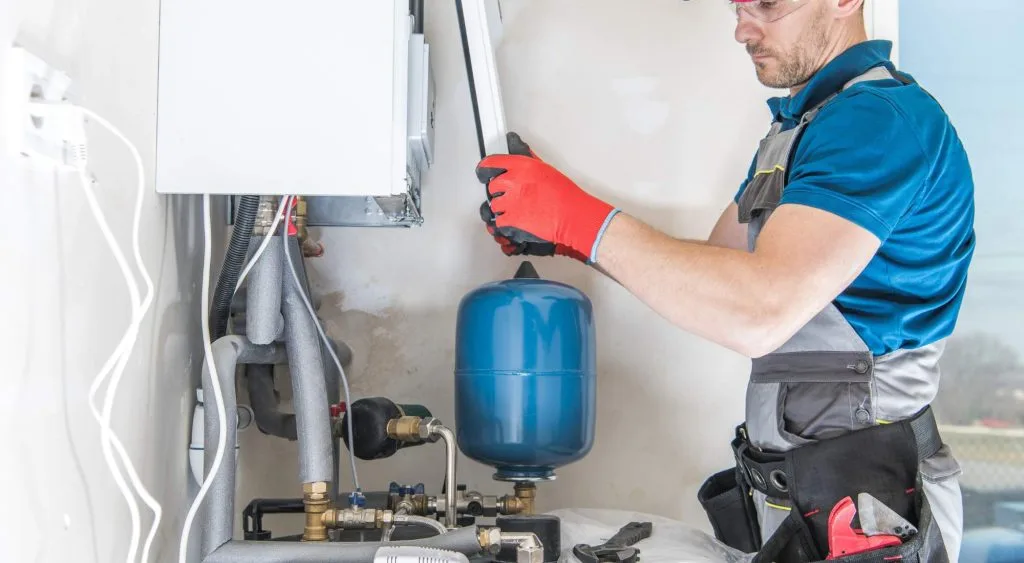
Not sure if your current system is up to code or what type of venting your home can support? All Pro Plumbing is here to help. We’ll assess your space, explain your options, and install a system that’s safe, efficient, and built to last.
Direct Vent vs. Power Vent Water Heaters Explained
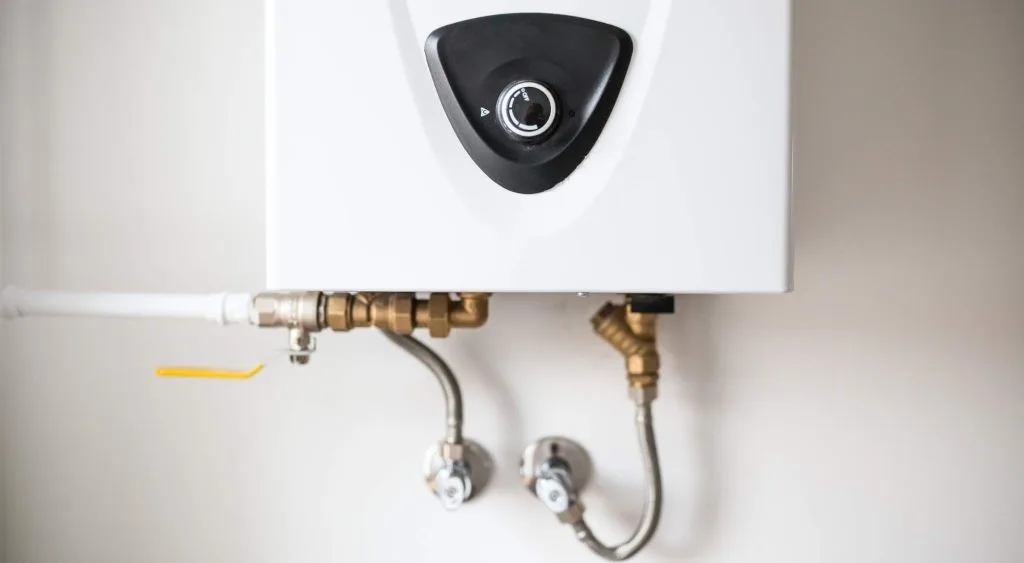
At a glance, direct vent vs. power vent water heaters can look almost identical — and they often serve the same purpose: safely removing exhaust gases from your home. Both systems are commonly used with gas water heaters, sealed and efficient, and designed to meet modern safety and energy standards.
That’s where the confusion starts.
The real difference lies in how they move air and where they can be installed. While the names sound technical, the distinction is actually straightforward once you break it down — and understanding it can help you avoid costly installation challenges or performance issues.
In the next sections, we’ll take a closer look at each system so you can see which one fits your home best.
Understanding Power Venting
A power vent water heater uses an electric fan or blower to push exhaust gases out of your home through a vent pipe. Unlike traditional systems that rely on natural airflow, the fan actively forces the gases to travel longer or more complex vent routes — such as through walls, attics, or even horizontally across ceilings.
This venting method is especially useful when your water heater is installed in locations far from an exterior wall or when a straight vertical vent isn’t practical. Power vent water heaters pull combustion air from inside the home, which means they don’t require direct access to outdoor air for combustion.
Because the fan is electrically powered, power vent systems need a reliable power source, and the moving parts require occasional maintenance. However, this flexibility often makes power vent water heaters the go-to choice for many homeowners during remodels or when space constraints limit installation options.
Understanding Direct Venting
A direct vent water heater takes a different approach: it uses two separate pipes — one to draw fresh air directly from outside for combustion, and another to vent exhaust gases safely back outside. This sealed system doesn’t rely on indoor air at all, making it a highly efficient and safer option, especially in tightly sealed homes.
Because it uses outside air, a direct vent water heater can maintain better indoor air quality and minimize drafts or pressure imbalances inside your home. The venting usually runs straight out through an exterior wall or roof, which means the system is quieter — there’s no fan needed to push air.
However, direct vent units generally need to be installed relatively close to an exterior wall, limiting their placement options compared to power vent systems. But where the layout allows, they’re often preferred for their efficiency, safety, and low maintenance.
The Key Difference Between Power Vent Water Heater vs. Direct Vent Water Heater
At their core, both power vent and direct vent water heaters safely remove harmful combustion gases from your home — but they do so in fundamentally different ways, which affects installation, efficiency, noise, and maintenance.
| Feature | Power Vent | Direct Vent |
| Air source | Draws combustion air from inside the home | Pulls combustion air directly from outside |
| Exhaust removal | Uses an electric fan to push exhaust through longer or complex venting paths | Exhaust gases exit naturally through a dedicated vent pipe |
| Installation flexibility | Highly flexible; can be installed in interior spaces or far from exterior walls | Limited to locations near an exterior wall or roof |
| Energy efficiency | Slightly less efficient; uses heated indoor air for combustion, potentially increasing heating costs | More energy efficient; uses outside air and avoids losing heated indoor air |
| Noise level | Fan creates some noise during operation | Quiet; no fan required |
| Maintenance | Requires occasional fan maintenance or replacement | Fewer moving parts mean less maintenance |
| Cost | Typically higher installation cost due to fan and complex venting | Usually less expensive to install if exterior access is convenient |
Here are some key considerations when choosing the best option for your home:
- Location of installation: If your water heater is tucked away in a basement, closet, or far from an exterior wall, a power vent system offers the flexibility needed to route exhaust safely.
- Energy efficiency and operating costs: Direct vent systems conserve more energy by using outdoor air and eliminating the need for a fan, which can save you money in the long run.
- Noise sensitivity: If quiet operation matters, the direct vent’s fan-free design makes for a much quieter system.
- Maintenance preferences: Power vent systems have more mechanical components that may require upkeep, whereas direct vent systems are simpler and more reliable.
- Building codes and home design: Newer homes with tighter construction often favor direct vent systems to maintain indoor air quality and efficiency, while older homes or remodels may benefit from the adaptability of power vent units.
Understanding these differences helps you choose a system that fits your home’s layout, your comfort preferences, and your budget — setting you up for years of safe, efficient water heating.
Why Choosing Direct Vent vs. Power Vent Water Heaters Sets You up for Success
When upgrading your water heater, you might come across older models called atmospheric vent systems. These rely on natural convection — hot air rising through a simple vertical pipe — to expel combustion gases. While once common, atmospheric vents have notable drawbacks compared to both direct vent and power vent systems.
Both direct and power vent water heaters use sealed combustion chambers, meaning they don’t pull air from your living space. This reduces the risk of backdrafting dangerous gases like carbon monoxide, a serious safety concern with atmospheric vent units.
Traditional atmospheric systems can unintentionally pull warm indoor air out of your home, causing your heating system to work harder. By contrast, direct vent systems pull fresh outdoor air for combustion, and power vent systems actively control exhaust flow. Both approaches help keep your heating costs down.
Atmospheric vents require a vertical, unobstructed chimney or vent, limiting placement and often increasing installation complexity and cost. Power vent water heaters add flexibility by using fans to push exhaust horizontally or longer distances, while direct vent units provide a sealed, efficient venting method near exterior walls.
Many local building codes in Hillsboro and across Oregon now require or strongly recommend sealed combustion venting systems, which both direct and power vent water heaters provide. This makes your upgrade not just better for your home, but necessary for safety and legal compliance.
Upgrading to a direct vent or power vent water heater is a smart way to boost safety, efficiency, and comfort in your Hillsboro home. Contact All Pro Plumbing today to discuss your options — we’ll help you choose and install the system that’s right for you.
Power Vent vs. Direct Vent FAQs
Is a Power Vent Better Than a Regular Vent Water Heater?
A power vent water heater is often better than a regular (atmospheric) vent model because it uses a fan to actively expel exhaust gases, allowing for more flexible installation and improved safety. However, it may not be the best choice for every home due to cost and maintenance considerations.
Power vent water heaters use an electric blower to push exhaust out through longer or more complex vent paths, which is ideal if your water heater isn’t located near an exterior wall. This flexibility makes them popular in homes where traditional vertical venting isn’t practical.
On the downside, power vent systems require electricity to run the fan and include moving parts that may need maintenance over time. In contrast, regular vent water heaters rely on natural draft for ventilation and have fewer mechanical components, but their installation options are limited, and they can be less energy efficient.
H3: Is a Power Vent Water Heater More Expensive?
Yes, power vent water heaters typically cost more upfront than regular models due to the added fan, electrical components, and more complex installation requirements. However, the price difference can be worth it for homes needing flexible venting solutions.
Power vent systems require an electric blower to push exhaust gases outside, which adds to both the initial equipment cost and installation complexity. The need for electrical connections and specialized vent pipes can increase labor time and materials, contributing to higher overall expenses.
Additionally, because power vent water heaters have moving parts like fans, occasional maintenance or repairs might add to lifetime costs. Despite this, the flexibility they offer in placement and improved safety often make them a worthwhile investment, especially in remodels or homes without easy access to exterior walls.
Can You Replace a Power Vent Water Heater With a Direct Vent?
Yes, it’s possible to replace a power vent water heater with a direct vent model, but it depends on your home’s layout and venting options. Direct vent units need nearby exterior access, so a professional evaluation is essential before switching.
While both systems handle exhaust safely, their installation requirements differ significantly. Power vent water heaters use fans to push exhaust through longer or horizontal vents, allowing installation farther from exterior walls. Direct vent water heaters rely on two sealed pipes running straight to the outdoors — one for intake air and one for exhaust — so they must be installed near an outside wall or roof.
If your current power vent setup allows for a direct vent alternative, you might benefit from quieter operation and slightly better energy efficiency. However, if exterior venting isn’t accessible, sticking with a power vent is usually the practical choice.
At All Pro Plumbing, we provide expert guidance and professional installation of both direct vent and power vent water heaters tailored to your specific needs in Hillsboro. Contact us today to schedule an assessment and get started on your upgrade.
Direct Vent vs. Power Vent Water Heaters – Expert Guidance and Installation From All Pro Plumbing
Choosing between a direct vent vs. power vent water heater can feel overwhelming, but it doesn’t have to be. At All Pro Plumbing, we bring years of experience serving Hillsboro homeowners, helping you make smart, informed decisions that fit your home’s unique layout, budget, and comfort needs.
Our licensed plumbers assess your space, evaluate existing venting options, and recommend the best water heater type to maximize safety, efficiency, and longevity. Whether you need the flexibility of a power vent or the energy-saving benefits of a direct vent, we handle the entire process — from selecting the right model to expert installation and thorough testing.
Plus, we’re here for ongoing support, maintenance, and repairs to keep your system running smoothly year after year.
Don’t leave your water heater choice to chance. Trust the pros at All Pro Plumbing to guide you every step of the way — ensuring your Hillsboro home stays safe, comfortable, and efficient.