Winter Is Coming: How To Protect Your Pipes From Freezing and Bursting
Icicles, snowflakes, and frigid temps, oh my.
Frosty precipitation will turn the dreariest landscape into a sparkling view on the outside. However, Old Man Winter may not exactly be friends with your pipes on the inside of your home, causing them to freeze or even burst.
Keep reading to understand why frozen pipes can be a big problem and how to protect them from freezing. By following a few guidelines, you can prevent the cold weather from wreaking havoc on your home, business, or other property.
Table of Contents
- Why Frozen Pipes Are a Serious Problem
- Which Pipes Are Most at Risk of Freezing?
- At What Temperature Will Pipes Freeze?
- How To Protect Pipes From Freezing Before Winter Hits
- 5 Cold-Weather Habits That Help Prevent Frozen Pipes
- What To Do if You Suspect a Pipe Is Frozen
- Schedule Winter Pipe Protection With All Pro Plumbing
Why Frozen Pipes Are a Serious Problem
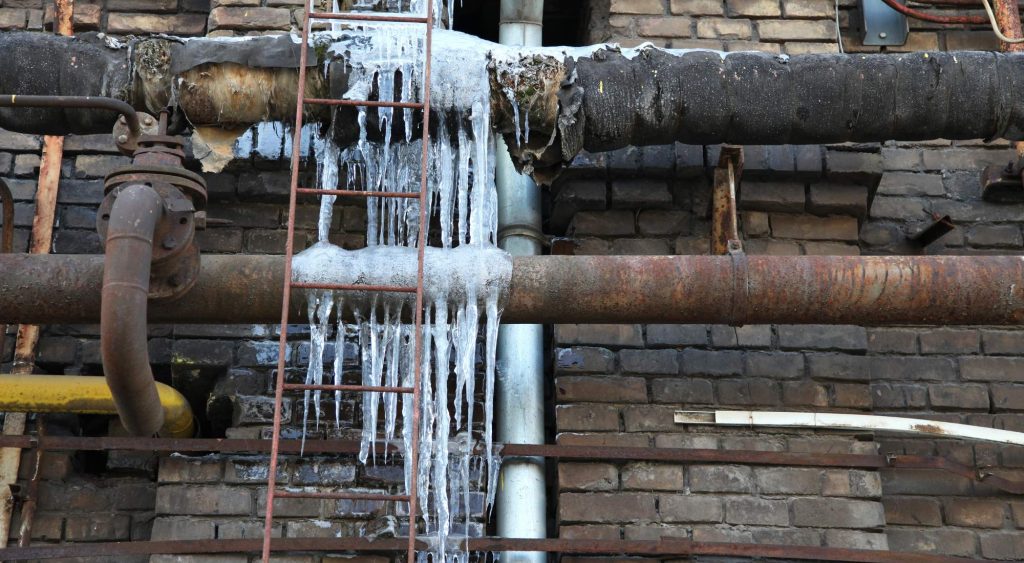
Frozen pipes are more than just a winter inconvenience; they can quickly turn into a costly and stressful plumbing emergency. When temperatures drop, the water inside exposed or poorly insulated pipes can freeze solid, putting intense pressure on the pipe walls.
This hidden buildup often happens out of sight, inside walls, crawl spaces, or basements, which means damage can occur before homeowners even realize there’s a problem. Understanding why frozen pipes are so dangerous is the first step in preventing major water damage and avoiding expensive repairs.
What Happens When Pipes Freeze
When water inside pipes freezes, it expands, which can then lead to increased pressure. The increased pressure is the culprit for pipes cracking, leaking, or bursting.
If the leak is not detected promptly, even more problems can develop, such as:
- Damaged floors, walls, and ceilings
- Drywall destruction
- Sagging ceilings
- Plaster cracking
- Increased risk of mold
- Potential fires caused by water coming in contact with electrical panels and wires
- Costly emergency plumbing repairs
Which Pipes Are Most at Risk of Freezing?
Not all plumbing is equally vulnerable when temperatures drop. Certain pipes are far more likely to freeze due to their location, insulation level, and exposure to outdoor air. Knowing which parts of your plumbing system are most at risk can help you take preventive action before cold weather leads to costly damage.
Exposed and Uninsulated Pipes
Exposed and uninsulated pipes located in crawl spaces, garages, basements, exterior walls, and attics are more prone to freezing, especially in older homes that tend to be drafty and poorly insulated.
Protecting these pipes from weather and low-temperature exposure with preventive measures can save you headaches in the future.
Outdoor Plumbing and Hose Bibs
Outdoor plumbing and hose bibs are highly prone to freezing because they are directly exposed to cold air. The continual exposure to cold can cause trapped and stagnant water to expand and crack pipes.
Installing insulated covers or upgrading to frost-proof, long-stemmed bibs may help protect outdoor pipes from freezing or bursting.
At What Temperature Will Pipes Freeze?
Generally, water inside pipes can begin to freeze when outdoor temperatures fall to around 20°F or lower.
However, it is not just the temperature outside that matters. The speed of wind, duration of cold weather, and whether your home has proper insulation are all factors to consider. Even a brief cold snap can be enough to freeze pipes if they are exposed or poorly protected.
If you are faced with an emergency like frozen or burst pipes and need plumbing services in Hillsboro, contact the team at All Pro, who can provide tips and assistance to remedy the situation.
How To Protect Pipes From Freezing Before Winter Hits
The best way to deal with frozen pipes is to stop them from freezing in the first place. Taking proactive steps before winter arrives can protect your plumbing system from sudden temperature drops and help you avoid emergency repairs and water damage. With a few simple upgrades and preventive measures, homeowners can significantly reduce the risk of frozen or burst pipes during cold weather.
Insulating Pipes Properly
Preventing frozen pipes requires a combination of insulation, temperature control, and some small but effective homeowner interventions.
So how can you prevent your pipes from freezing? Try these tips from the pros:
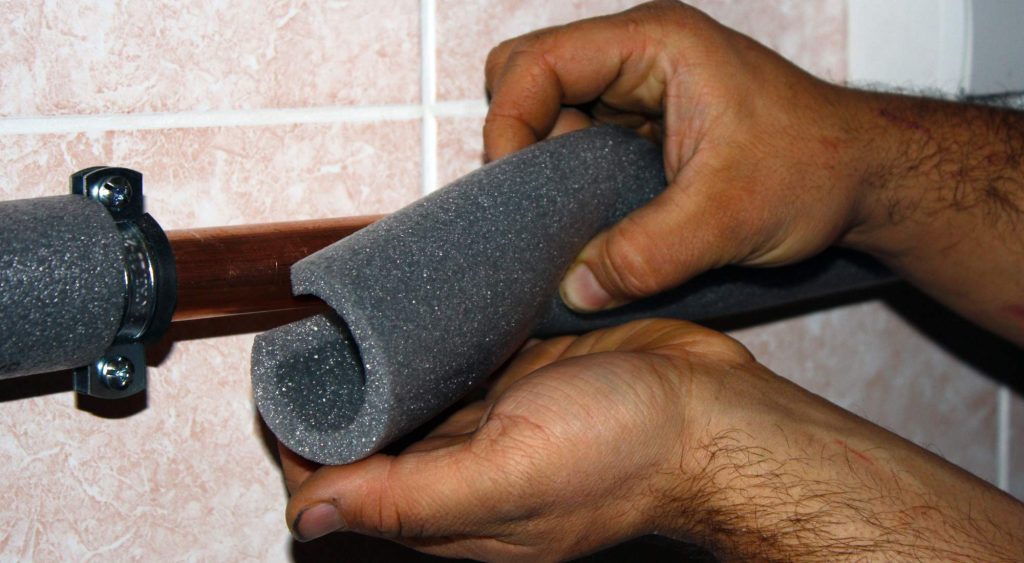
- Wrap foam or rubber insulation sleeves or heat tape around pipes in basements, attics, and crawl spaces. Secure with tape or zip ties, ensuring joints and bends in the pipes are covered.
- Use fiberglass insulation in areas like attics, which is suitable for high-heat areas where the use of foam is not appropriate.
- Apply thermostat-controlled heat tape to pipes most at risk of freezing, like those on exterior walls. Apply insulation over the tape for added protection, following the manufacturer’s instructions.
Sealing Air Leaks and Draft
Crawl spaces, vents, foundation gaps, or poorly-sealed wall penetrations are big culprits for cold air access. Icy air often seeps through these gaps, putting nearby plumbing at risk.
You can block these air gaps by sealing any leaks around electrical wiring, dryer vents, and pipes. Utilizing caulk or insulation to seal the spaces decreases the risk of frozen plumbing.
5 Cold-Weather Habits That Help Prevent Frozen Pipes
#1: Keep Your Thermostat Set Consistently
Always keep your heat on with the thermostat set no lower than 55 degrees, even when you plan to be away from your home.
A consistent warm indoor temperature, especially in the overnight hours, helps protect pipes inside the walls and under floors.
#2: Allow Faucets To Drip During Freezing Temperatures
Allow room-temperature water to drip or slowly trickle from the faucets to keep the water flowing. Even a slow drip can help to relieve pressure and prevent freezing within the pipes.
#3: Open Cabinet Doors To Circulate Warm Air
Plumbing located close to exterior walls is especially prone to freezing. Opening the cabinet doors, especially in the kitchen and bathroom, allows the warm interior air to circulate around the pipes that are located near exterior walls. This is a simple and free preventive maintenance step for cold weather.
#4: Disconnect and Drain Outdoor Hoses
Disconnecting and draining outdoor hoses is one of the simplest yet most important steps in preventing frozen pipes during winter. Leaving hoses attached can trap water inside outdoor faucets and supply lines, where it can freeze, expand, and cause the pipe to crack or burst inside your walls.
Start by removing all garden hoses and allowing them to fully drain before storing them for the season. Next, shut off the water supply to outdoor faucets from inside your home, if a shutoff valve is available. Once the valve is turned off, open the outdoor faucet to let any remaining water drain out completely.
To provide extra protection, install insulated faucet covers over exterior spigots. These inexpensive covers help block cold air and reduce the risk of freezing during overnight temperature drops and hard freezes.
#5: Keep Garage Doors Closed During Cold Snaps
Keep the garage door closed if there are water supply lines in the garage. If the doors are left open or ajar, the cold air can circulate around exposed pipes, which increases the risk of freezing.
Insulated garage doors can be a worthwhile investment, but simply keeping the door closed can also help to trap warmer air inside the garage and protect any plumbing.
What To Do if You Suspect a Pipe Is Frozen
Frozen or burst pipes are among the most common home repair issues during freezing weather.
Signs that you may have frozen pipes:
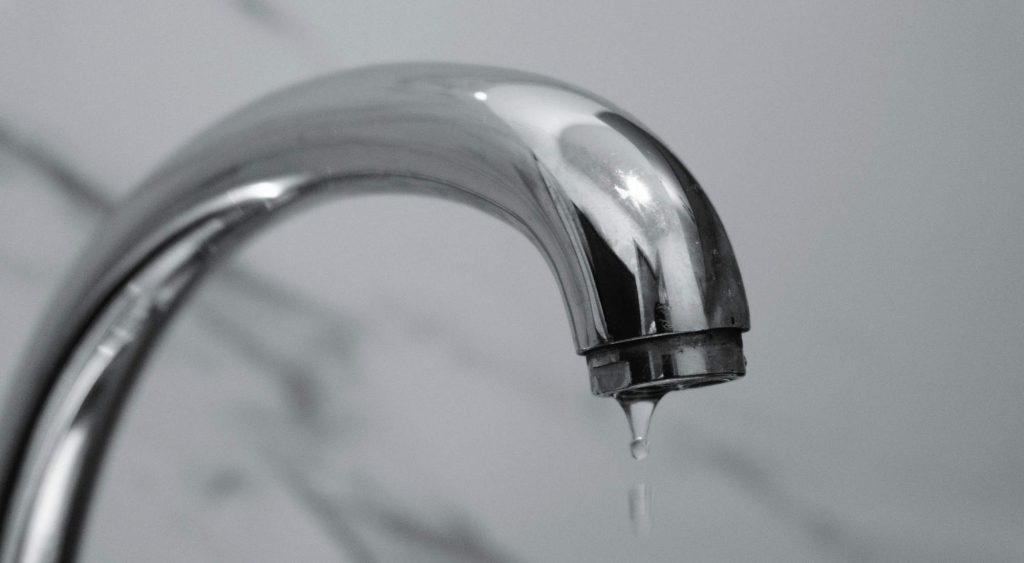
- Water flow from the faucet is reduced to a trickle, or no water flow is present.
- Frost is visible on the pipes.
- A strange odor is present.
If you suspect frozen pipes, proceed with care to avoid pipes from bursting, as even a relatively small pipe can gush as much as 100 gallons of water per hour. Be sure to follow these steps:
- Turn off the main water supply to immediately reduce the pressure.
- Gently warm the pipe with a hair dryer, heating pad, or towels soaked in warm water; never use an open flame. In extremely cold areas, portable heaters can add warmth, but they should be used with care and never left unattended.
- Keep faucets open so melting ice can flow out.
When To Call a Professional Plumber
If a pipe bursts, shut off the water supply right away and call for professional help. Water from a burst pipe can flood rooms within minutes, damaging flooring, walls, and personal belongings. Quick action limits the damage, but restoration and repair often require expert attention.
Schedule Winter Pipe Protection With All Pro Plumbing
If you are suddenly faced with frozen or burst pipes in your home, you need a team that understands the urgency.
A quick response to a plumbing emergency can be essential in limiting damage and keeping the home safe and healthy. Many problems can escalate quickly, causing not only structural damage but also health risks.
All Pro Plumbing should be your first choice for a plumbing company in Hillboro. We are a team of professionals who offer a wide range of repairs to keep your home systems functional and safe.
For routine and emergency plumbing concerns in Portland and the surrounding areas, All Pro Plumbing is here to help you resolve your unpredictable home and property concerns. Our goal is to fix the problem efficiently, while keeping you informed every step of the way.
With over 20 years of service and a large fleet of service vehicles, we are Portland’s most trusted plumbing service.
Affordable, speedy, and professional work is our goal and our promise. Contact us today for prompt and efficient service.