Main Water Shut-Off Valve Replacement: What Homeowners Should Know
Your main water shut-off valve is your first line of defense against serious water damage. But what happens when the valve leaks, gets stuck, or won’t stop the water flowing into your home?
Knowing when to schedule a main water shut-off valve replacement can help you avoid costly plumbing emergencies and make sure you can turn off your water when you need to.
In this guide, the experienced plumbers at All Pro Plumbing explain the warning signs of a failing valve, what replacement typically costs, and when it’s best to call a professional.
Table of Contents
- 3 Signs It’s Time To Replace Your Main Water Shut-Off Valve
- How Much Does It Cost to Replace a Main Water Shut-Off Valve?
- What To Expect During Main Water Shut-Off Valve Replacement
- Why Hire a Professional for Main Water Shut-Off Valve Replacement?
- Main Water Shut-Off Valve Replacement FAQs
- Schedule Your Main Water Shut-Off Valve Replacement With All Pro Plumbing
3 Signs It’s Time To Replace Your Main Water Shut-Off Valve
Your main water shut-off valve plays an important role in protecting your home from water damage. If a pipe bursts or a major plumbing leak develops, you need to be able to shut off the water supply quickly. Unfortunately, these valves can deteriorate over time, especially when they go years without being used.
Here are three common warning signs that your main water shut-off valve may need to be replaced.
#1: The Valve Is Difficult or Impossible To Turn
A main water shut-off valve should operate without excessive force. If the handle is stiff, stuck, or difficult to turn, corrosion or mineral buildup may be interfering with its operation.
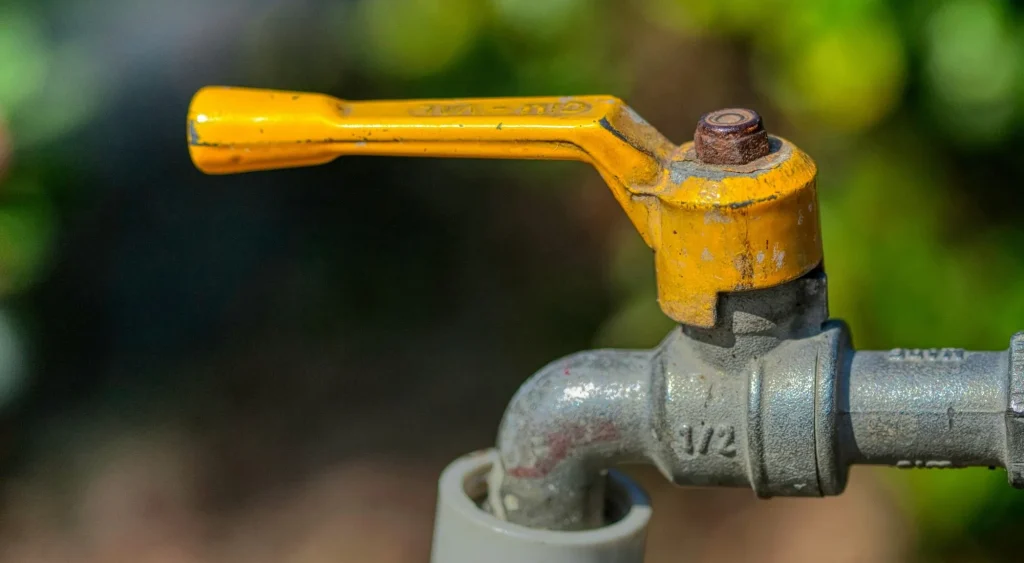
This problem is particularly common with older gate valves, which use a round handle that must be turned several times to open or close. Over time, their internal components can wear out or seize, making them unreliable when you need them most.
Never force a stuck shut-off valve. Doing so could damage the valve or connected piping and cause a leak. If yours won’t turn easily, have a professional plumber inspect it.
#2: You Notice Leaks or Corrosion Around the Valve
Visible moisture around your main water shut-off valve is another indication that something may be wrong. Leaks can develop around the valve stem, body, or pipe connections as seals wear out and components deteriorate.
Common signs of trouble include:
- Water dripping from the valve handle or stem
- Moisture or water stains on nearby pipes
- White or green corrosion around the valve or fittings
- Damp flooring or walls near the valve
Not every leak requires a complete valve replacement. In some cases, a plumber can repair a loose connection or worn seal. However, a cracked, severely corroded, or otherwise damaged valve may need to be replaced.
Even a small leak deserves prompt attention, particularly if the valve is located in a crawl space or another area where water damage might go unnoticed.
#3: Water Continues Flowing After the Valve Is Closed
When your main shut-off valve is fully closed, it should stop water from entering your home’s plumbing system. If water continues flowing after you’ve allowed time for the remaining water in the pipes to drain, the valve may no longer be sealing properly.
This can happen when internal components become worn, damaged, or obstructed by mineral deposits. Older gate valves are particularly susceptible to problems that prevent them from closing completely.
A valve that doesn’t fully shut off the water can leave you vulnerable during a plumbing emergency. If you discover this problem, schedule a professional inspection as soon as possible rather than waiting until a leak or burst pipe puts the valve to the test.
Concerned about your main water shut-off valve?
Don’t wait for a plumbing emergency to find out your shut-off valve isn’t working properly. The licensed, bonded, and insured professionals at All Pro Plumbing can inspect your valve, recommend the appropriate solution, and handle replacement when necessary. Contact us to schedule service and ask about our $50 discount for first-time on-site service.
How Much Does It Cost To Replace a Main Water Shut-Off Valve?
The cost to replace a main water shut-off valve depends on several factors, including the valve’s location, the type of replacement needed, and the condition of the surrounding plumbing. Replacing an easily accessible valve is generally less expensive than working on one that’s buried underground or located in a difficult-to-reach area.
Because every home’s plumbing system is different, the best way to determine what you’ll pay is to have a licensed plumber assess the existing valve and provide an estimate based on the work required.
Factors That Can Affect Replacement Costs
Several factors can influence the total cost of replacing your main water shut-off valve:
- Valve location and accessibility: A valve located in an open basement, garage, or utility room is usually easier to replace than one tucked into a tight crawl space or buried outside.
- Type of replacement valve: Ball valves are commonly recommended for residential plumbing because they’re durable and easy to operate. The valve’s size, material, and connection requirements can affect the price.
- Labor and installation complexity: A straightforward replacement typically requires less time than a job involving difficult connections, specialized equipment, or modifications to existing piping.
- Condition of existing pipes: Corroded, damaged, or outdated plumbing may need additional repairs before a new valve can be installed safely.
- Excavation requirements: If the valve is underground, digging may be necessary to access the water line. Landscaping, concrete, and other obstacles can add to the work involved.
- Permits and local requirements: Depending on the location and scope of the project, plumbing permits or inspections may be required, adding to the overall cost.
For Portland-area homeowners, All Pro Plumbing can evaluate the existing setup, explain your replacement options, and provide an estimate before work begins. This helps you understand what’s involved and avoid unexpected expenses.
What To Expect During Main Water Shut-Off Valve Replacement
Replacing a main water shut-off valve involves more than simply removing the old valve and installing a new one. A plumber must first shut off the incoming water supply and make sure the replacement is compatible with your home’s existing plumbing.
Here’s what the process typically involves:
- Shut off the water supply. The plumber stops water from entering the home, sometimes by coordinating with the local water utility to shut off the supply upstream of the valve.
- Drain the water lines. Opening faucets releases pressure and drains remaining water from the pipes before work begins.
- Remove the existing valve. The plumber disconnects or cuts out the old valve, checking nearby pipes and fittings for corrosion or damage.
- Install the new valve. A replacement valve is installed using connections appropriate for the home’s plumbing system. Quarter-turn ball valves are often preferred because they’re easy to operate and provide a reliable shut-off.
- Restore water and test the installation. The plumber turns the water back on, checks for leaks, and confirms the new valve operates properly.
For an experienced plumber, replacing an accessible main water shut-off valve may be relatively straightforward. However, valves located underground, in tight spaces, or connected to deteriorating pipes can require additional time and labor.

Why Hire a Professional for Main Water Shut-Off Valve Replacement?
While some plumbing repairs are manageable for experienced DIYers, replacing a main water shut-off valve is a job best left to a licensed plumber. Because this valve controls the water supply to your entire home, improper installation can lead to leaks, water damage, and problems shutting off the water during an emergency.
Hiring a professional offers several important advantages:
- Safe water shutoff: Replacing the valve requires shutting off the water upstream of your home’s main valve. A plumber knows how to handle this safely and coordinate with the local water utility when necessary.
- Proper materials and connections: Different plumbing systems require specific valve types, fittings, and installation methods. A professional can select compatible components and install them correctly to reduce the risk of leaks.
- Compliance with local requirements: Depending on the scope of the work, permits or inspections may be necessary. A licensed plumber can determine which requirements apply and help ensure the installation meets local plumbing codes.
- Thorough testing: After installation, a plumber checks for leaks and confirms that the new valve operates properly, so you can rely on it when you need to shut off your water.
At All Pro Plumbing, our licensed, bonded, and insured plumbers have served homeowners throughout the Portland Metro area for over 20 years. Whether your valve is leaking, stuck, or no longer shutting off the water completely, we can assess its condition and recommend the appropriate repair or replacement.
Main Water Shut-Off Valve Replacement FAQs
Where Is My Main Water Shut-Off Valve Located?
In most homes, the main water shut-off valve is located near the point where the water supply line enters the house. Common locations include basements, crawl spaces, garages, and utility closets. Some homes have an exterior shut-off valve in an underground box near the street.
If you’re having trouble finding yours, a licensed plumber can help locate it. Every homeowner should know where the main shut-off valve is before a plumbing emergency occurs.
Can You Replace a Water Shut-Off Valve Yourself?
Although some smaller fixture shut-off valves can be replaced by homeowners with plumbing experience, replacing the main water shut-off valve is more complicated. The job requires shutting off the water upstream, working with pressurized plumbing connections, and ensuring the new valve is installed correctly.
Because a faulty connection could cause significant water damage, hiring a licensed plumber is generally the safest choice.
How Long Does It Take To Replace a Main Water Shut-Off Valve?
A straightforward replacement involving an accessible valve may take only a few hours. However, the job can take longer if the valve is buried underground, located in a confined space, or connected to corroded pipes.
Your plumber can provide a more accurate timeline after evaluating the valve’s location and the condition of the surrounding plumbing.
How Long Does a Main Water Shut-Off Valve Typically Last?
A main water shut-off valve can last for decades, although its lifespan depends on the valve’s material, water quality, installation, and maintenance. Valves that sit unused for long periods may become difficult to operate due to corrosion or mineral buildup.
Rather than replacing a valve based on age alone, pay attention to warning signs such as leaks, stiffness, or an inability to shut off the water completely. If you’re unsure about its condition, have a plumber inspect it.
Schedule Your Main Water Shut-Off Valve Replacement With All Pro Plumbing
A reliable main water shut-off valve is essential for protecting your home when plumbing emergencies occur. If yours is leaking, difficult to operate, or no longer stopping the water completely, having it inspected and replaced can help prevent more serious problems down the road.
At All Pro Plumbing, we’ve proudly served Portland Metro homeowners for over 20 years. As a veteran-owned, licensed, bonded, and insured plumbing company, we’re committed to providing dependable service and quality workmanship. Our experienced plumbers can evaluate your existing valve, explain your options, and complete the replacement safely and efficiently.
Don’t wait until a burst pipe or major leak reveals a problem with your shut-off valve. Contact All Pro Plumbing today to schedule an inspection or request a quote for main water shut-off valve replacement.