Every Drop Counts: How To Reduce Water Usage in Your Home
Your water bill jumped again, and you can’t figure out why. Nobody added a load of laundry. Nobody’s taking longer showers. But the number keeps climbing.
Rising water bills are often caused by the same handful of issues. Sometimes it’s a simple everyday habit. More often, it’s something hiding behind a wall that the homeowner would never have caught on their own.
This guide will walk you through where your water actually goes, what you can fix yourself to reduce water usage, and when it’s time to pick up the phone.
Table of Contents
- What Uses the Most Water in Your Home?
- How Can You Reduce Water Usage? A 3-Tier Approach
- How To Find a Hidden Leak in Minutes
- Water Savings by Fixture
- Reducing Water Usage: When To DIY and When To Call a Plumber
- What Will You Actually Save? Local Water Cost Math
- Reduce Your Water Usage With All Pro Plumbing
What Uses the Most Water in Your Home?
Toilets, showers, faucets, washing machines, and leaks account for roughly 92% of the water used inside a typical home. Toilets alone are usually the single biggest piece of that pie, which is why they’re the first place we tell homeowners to look when they want to cut usage.
Here’s the rough breakdown of indoor household water use:
- Toilets: 24%
- Showers: 20%
- Faucets: 19%
- Washing machines: 17%
- Leaks: 12%
That leaves a small remainder for dishwashers and other odds and ends. Outdoor irrigation isn’t part of this indoor breakdown, but it adds a substantial chunk to total household use once summer watering season hits.
If you need help reducing your water usage, contact All Pro Plumbing. Our team performs inspections and helps keep your water usage where it needs to be.
How Can You Reduce Water Usage? A 3-Tier Approach
Reducing water use comes down to three tiers: free habit changes, moderate fixture upgrades, and professional-level fixes for problems you can’t see or solve on your own. Most homeowners can knock out the first two tiers themselves. The third tier is where a licensed plumber usually needs to get involved.
Tier 1: Free Habit Changes
These cost nothing, and you can start today:
- Shortening showers from 8 minutes to 5 minutes saves 25+ gallons a day.
- Turn off the faucet while brushing your teeth or scrubbing dishes.
- Run the washer and dishwasher with full loads only.
These might seem like small habits, but they add up fast over a month.
Tier 2: Moderate Fixture Upgrades
This is the tier most homeowners skip because it feels like a hassle when it usually isn’t:
- Low-flow showerheads and faucet aerators
- Dual-flush or WaterSense-labeled toilets
- ENERGY STAR dishwashers and washing machines
This list may seem overwhelming to you, but most of these are a weekend project rather than a renovation.
Tier 3: Professional-Level Fixes
This is the tier where habit changes and hardware store parts stop working. You likely need a professional for:
- Hidden leaks in walls, slabs, or the main water line
- Old galvanized or corroded pipes that need replacing
- Whole-home water audits by a licensed plumber
If you suspect you’re in Tier 3 territory, a leak you can’t find or a pipe you can’t get to, we’re here to help. All Pro Plumbing is veteran-owned and has served Hillsboro and the Portland Metro for over 20 years. We usually book jobs within a day or two, so a suspected leak doesn’t sit and get worse while you wait on an estimate.
How To Find a Hidden Leak in Minutes
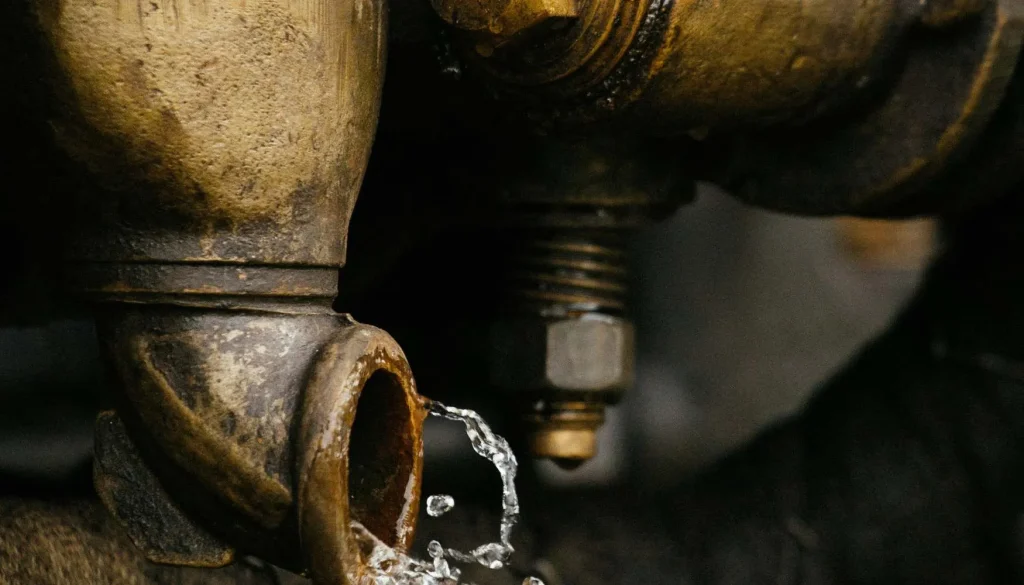
Most homeowners never see the leak that’s driving up their bill. It’s usually behind a wall, under a slab, or buried in a section of pipe nobody thinks to check. This is why we keep finding the same kind of leak in older homes: worn valves and corroded connections that quietly waste water for months before anyone notices.
Read Your Water Meter
This is the fastest DIY leak test there is:
- Turn off every water source in the house: faucets, ice makers, sprinklers, etc.
- Note the meter reading, then wait two hours without using any water.
- If the number moved, there’s a leak somewhere in the line.
Two hours isn’t much of a commitment for the peace of mind it buys you.
Watch for Visual Red Flags
A leak usually leaves clues before it ever shows up on your bill:
- Damp spots on drywall, warped flooring, or a musty smell that won’t go away.
- A running toilet that never fully shuts off, which can waste 200+ gallons a day.
- A dripping faucet, which can waste more than 200 gallons per year on its own.
Once you’ve confirmed a leak, don’t wait on it. A pipe leak repair fixes the source before it turns into a bigger structural problem behind your walls or under your floor.
Water Savings by Fixture
Not every fixture wastes the same amount of water, so it helps to know which upgrade pays off fastest.
Toilets
This is usually the biggest single opportunity in older homes.
Toilets installed before the 1990s can use 3.5 to 7 gallons per flush. A WaterSense-labeled toilet uses at least 20% less water than those older models. If your home still has its original toilets from a 1990s build, this is often the fastest fix on the list.
Showers and Faucets
This is the easiest low-cost swap with results you’ll notice right away.
Low-flow showerheads cut water use without meaningfully changing your water pressure. Cutting shower time by just 3 minutes saves 180+ gallons a week across a household. That’s real money over a year.
Washing Machines and Dishwashers
Appliance upgrades matter most for households already due for a replacement:
- Front-loading washers use about 15 gallons per load versus 45 in an old top-loader.
- Newer ENERGY STAR dishwashers use as little as 3.5 gallons per cycle compared to 10 to 15 gallons in older units.
If your dishwasher or washer is more than 10 years old, this upgrade often pays for itself faster than people expect.
Reducing Water Usage: When To DIY and When To Call a Plumber
Swapping a showerhead or replacing a toilet flapper is DIY territory. Anyone with a wrench and twenty minutes can handle that.
A sudden 20% or more spike in your bill with no change in habits, a leak you can’t locate no matter how hard you look, or a corroded pipe that’s already showing rust stains usually means it’s time to call a plumber.
We recommend it’s time to call a professional if:
- Your bill jumped sharply, and nothing in your routine changed.
- The meter test confirmed a leak, but you can’t find where it’s coming from.
- You see rust-colored water, warped flooring, or a musty smell near a wall.
- Your home still has original pipes from before the 1990s.
All Pro Plumbing runs two dedicated crews. One handles general residential repairs; the other specializes in waterline and drain line replacement. That means the right specialist handles your job.
What Will You Actually Save? Local Water Cost Math
National averages don’t mean much when you’re trying to figure out your own bill. Here’s a Portland-area example.
The City of Portland says a typical single-family household uses about 5 ccf, or 3,740 gallons, of water per month. Cut that usage by 20%, and you’re saving about 1 ccf, or 748 gallons, each month. At current Portland water rates, that works out to about $8.83 per month in water charges alone. When those savings also reduce the amount of water used to calculate your sewer charges, the combined savings could reach about $23 per month, or roughly $277 per year.
Your actual savings will depend on your household’s usage and how the city calculates your sewer charges. But the example shows why relatively small changes can add up over the course of a year.
Reduce Your Water Usage With All Pro Plumbing
You don’t have to guess where your water is going or gamble on a fix that doesn’t actually solve the problem. All Pro Plumbing is veteran-owned and family-operated, and we’ve served Hillsboro, Beaverton, and West Portland out to Banks for over 20 years.
We’re licensed and bonded, and most jobs can be booked within a day or two, so a suspected leak doesn’t sit unresolved while you wait weeks for an appointment.
If you’re ready to make sure your home is in tip-top shape and reduce water usage, contact All Pro Plumbing, your local plumbing company in Hillsboro, for a straightforward, honest estimate or a leak check today.