Leave the Stress Behind: Preparing Your Plumbing for Summer Vacation
You leave for a week-long summer vacation with no reason to think anything can go wrong back at home. On day two, a washing machine supply hose that had been slowly cracking finally gives out. By the time you return, more than 30,000 gallons of water have soaked into the subfloor, the drywall, and everything stored in the laundry room. The repair bill inches toward $20,000.
This story isn’t unusual. Water damage is one of the most common home insurance claims in the country, and vacation season is when it tends to hit hardest. An empty house gives a small leak days or weeks to run unchecked, and by the time you’re back, what started as a cracked hose or a failing flapper has become a structural problem.
The good news is that most of these failures are preventable. Thirty to sixty minutes of targeted prep before you leave eliminates the scenarios most likely to cause serious damage. This guide covers exactly that, including how to find and test your main shutoff, what to do with your drains, and where a professional inspection adds value a checklist can’t.
Table of Contents
- Why Is Preparing Your Plumbing Before Vacation So Important?
- 5 Steps To Help Prepare Your Plumbing Before You Leave
- Should You Turn Off the Water Before Vacation?
- All Pro Plumbing: Helping Portland-Area Homeowners Protect Their Properties
Why Is Preparing Your Plumbing Before Vacation So Important?
Preparing your plumbing before vacation is important because small plumbing issues can become major and expensive problems when no one is home to catch them early.
A dripping faucet, loose supply line, clogged drain, or aging water heater may seem harmless while you’re home. But during a week or two away, a minor leak can worsen into a burst pipe, overflowing fixture, or significant water damage. Without anyone present to shut off the water or call for repairs, water can continue flowing for hours, or even days.
When you prepare your plumbing before leaving on vacation, you are more likely to:
- Prevent water damage: Leaks from supply lines, faucets, toilets, or appliances can damage flooring, drywall, furniture, and personal belongings.
- Avoid costly repairs: Water damage restoration often costs far more than routine plumbing maintenance.
- Reduce the risk of mold growth: Moisture left unchecked can create conditions for mold and mildew.
- Protect plumbing fixtures and appliances: Washing machines, dishwashers, water heaters, and refrigerators with water lines are common sources of vacation-time leaks.
- Conserve water: Even small leaks waste significant amounts of water over time.
- Enjoy peace of mind: Knowing your plumbing system has been inspected and secured allows you to focus on your trip instead of worrying about what might be happening at home.
A few simple steps, such as checking for leaks, testing shut-off valves, clearing drains, and turning off the main water supply when appropriate, can significantly reduce the risk of returning home to an unexpected plumbing emergency.
What Happens if You Skip Plumbing Prep Before Vacation?
Most trips go fine. But the ones that don’t tend to go very wrong, very fast. A running toilet can waste up to 7,000 gallons per day without making any obvious noise. A dripping faucet loses around 3,000 gallons per year in tiny increments that never register until the bill arrives. A washing machine hose that’s been bulging for a year doesn’t care that you’re in Cancun; it fails on its own schedule.
Water damage repairs typically run $5,000–$30,000+, and most of that cost is preventable with 30–60 minutes of attention before you lock the door. The goal isn’t to make your home disaster-proof. It’s to eliminate the easy failures, including the ones that start small and compound over days while nobody’s watching.
If vacation is a few days out and you want a professional set of eyes on your plumbing before you leave, All Pro Plumbing can help. Our team can usually schedule a visit with a day or two’s notice. We’ll check shutoff valves, supply lines, water heater settings, and toilet hardware, which are the things most likely to cause problems while your home sits empty.
5 Steps To Help Prepare Your Plumbing Before You Leave for Vacation
#1: Locate and Test Your Main Water Shutoff Valve
Many homeowners have never operated their main shutoff. Don’t be in that group when something goes wrong at 11 p.m. on a Tuesday while you’re out of town. You need to know where this valve is before you need it. In most Portland area homes, it’s in the crawlspace near the front of the house, inside the utility room, or near the water meter at the street. If you’ve never turned it, now is the time to find out if it still works.
Turn the valve fully clockwise to close it, then open a faucet somewhere in the house. If water keeps flowing, the valve may not be sealing properly and likely needs replacement before you leave. Note the location on your phone and write it on a sticky note for whoever’s checking your home.
#2: Run the Food Coloring Flapper Test on Every Toilet
This is the one most homeowners skip because the toilet appears to work fine. Here’s how the test works:
- Add a few drops of food coloring to the toilet tank and wait ten minutes without flushing.
- If color appears in the bowl, the flapper is leaking. That’s it.
A failing flapper can waste up to 180 gallons per week silently, and over a three-week trip, that adds up fast on your water bill and your floors.
Here are some things to know:
- A flapper replacement can cost around $10–$30 in parts and under an hour of labor. A three-week leak from a failed flapper can run hundreds of dollars in wasted water alone.
- Watch for the “phantom flush” when the toilet randomly refills without being used. That’s a fill valve failing, not just a flapper, and it should be addressed before you leave.
- The Portland Metro area’s water has moderate mineral hardness. That sediment buildup accelerates flapper wear, which is why we see a lot of toilet leaks in homes that are only five to seven years old.
#3: Inspect Supply Lines to Appliances
Washing machine hoses, dishwasher lines, and refrigerator ice maker lines are the most underestimated risk in pre-vacation prep. These are the lines that fail quietly over days while no one is watching. Main pipes rarely burst without warning. Supply hoses to appliances fail constantly.
Here’s what you should do:
- Look for bulging, cracking, discoloration, or moisture near any connection point. Run your hand along the hose and feel for dampness or soft spots.
- Replace rubber washing machine hoses that are over 5–7 years old before a long trip. Braided stainless hoses last longer, but they’re not immune, so inspect the fittings at both ends.
- If you shut off the main water supply, you’ve already addressed this risk. But if you’re leaving water on, physically check each connection.
#4: Plug Your Drains and Preserve the P-Trap Seal
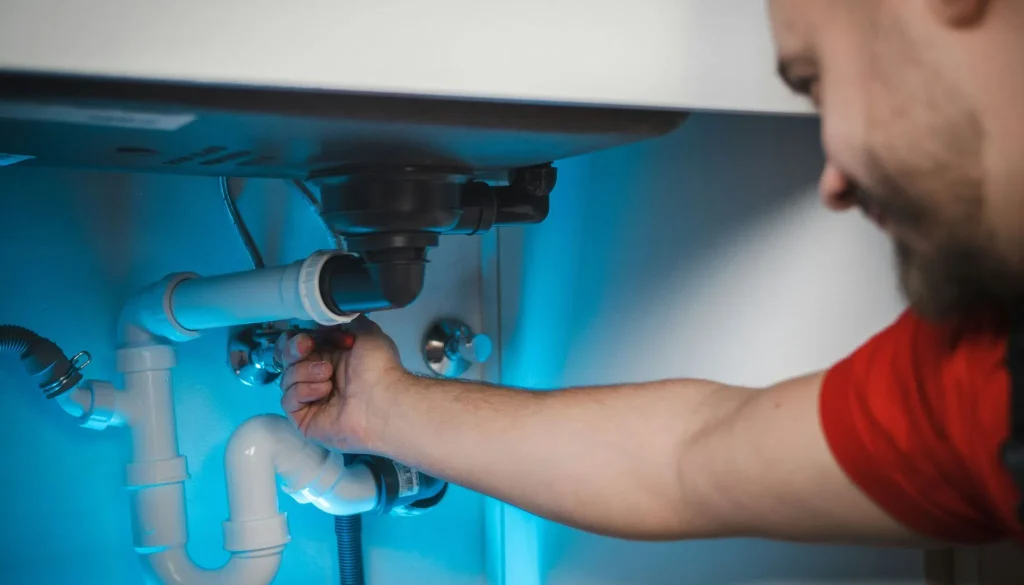
The P-trap is the curved section of pipe under sinks, tubs, and showers. It holds a small amount of water that acts as a physical barrier between your home and the sewer line. When that water evaporates during a two- to three-week absence, sewer gases can enter the house. So can insects. Cockroaches in particular are known to travel up through dry drain lines when the water seal is gone.
Here’s what you should do:
- To preserve the seal, run water in every drain just before you leave, then push in a snug rubber drain stopper or plug.
- “Closing drains” and “draining” are two different things. Closing means plugging the drain to keep the water barrier in place. Draining means removing water from a fixture entirely. For summer vacation prep, you want to close drains, not drain them.
- Toilets have their own internal trap built into the bowl, so you don’t need to plug a toilet. Just make sure it isn’t leaking before you leave.
#5: Brief the Person Checking Your Home
A checklist only helps if someone knows what to do when something looks off. Tell your neighbor or house-sitter exactly what to listen and look for, including:
- Running water sounds when nothing is on
- Moisture on ceilings
- Slow drips near appliances
- Pooling water on floors
- A musty smell that wasn’t there before
Give them your number and have a plumber’s number ready. If something looks wrong, they should call you and have access to reliable emergency plumbing services so they’re not scrambling to find a number in a stressful moment. Write the shutoff valve location on a sticky note near the front door. Verbal instructions are easy to forget when someone is standing in an inch of water.
Should You Turn Off the Water Before Vacation?
It depends on how long you’re gone. For trips of two weeks or longer, shutting off the main water supply is the safest move. For shorter trips under a week, it’s optional, but never a bad idea, especially in homes with older supply lines or any history of leaks.
The question isn’t really “is shutting it off inconvenient?” It’s “is anyone home to catch a drip before it becomes a flood?” When the answer is no, the shutoff valve is your last line of defense.
The logic is straightforward. When no one is around to notice a small leak, that leak runs continuously. A pinhole in a supply hose isn’t a disaster in a normal week because someone sees the water within hours. Over fourteen days, that same pinhole can cause structural damage that takes months to repair.
There’s a second step most homeowners miss entirely. If you shut off the main water supply, also shut off the water heater. Leaving the heater energized with no water supply causes it to continue heating an empty or air-locked tank. That puts serious stress on the heating element and can damage the unit. It takes ten seconds to flip the heater’s breaker or turn the gas valve to “pilot,” and it protects an expensive appliance.
What To Do If You Return to Water Damage
If you come home to water damage, don’t clean up first. Photograph everything in its original state before you move anything, open windows, or start drying things out. Insurance documentation is significantly stronger when accompanied by photographic evidence of the original damage taken before any cleanup begins. Adjusters are making assessments based on what they can see, so help them see the full picture.
After documentation, assess what needs attention immediately versus what can wait. If there is a burst supply line with water still flowing, shut off the main valve and call for help right away. If there’s a ceiling stain that’s dry and old-looking, schedule a diagnostic visit within 24–48 hours.
Our team can usually get out quickly. Whether you’re in Hillsboro or need plumbing services in Lake Oswego or anywhere in the Portland Metro area, All Pro Plumbing is available to assess the situation and tell you honestly what you’re dealing with.
All Pro Plumbing: Helping Portland-Area Homeowners Protect Their Properties
Thirty minutes of prep before you leave can prevent weeks of repairs when you return. Most of what’s described here is DIY-friendly:
- Locate the shutoff valve.
- Run the flapper test.
- Check the hose connections.
- Plug the drains.
- Brief your house-sitter.
But if you want a professional inspection before a long trip, our team can usually fit it in with a day or two’s notice.
All Pro Plumbing is veteran-owned, has served the Portland Metro area for over 20 years, and is licensed, bonded, and insured. As a local plumbing company, we’re familiar with the specific plumbing patterns in area homes. Every job comes with a 100% written guarantee.
Contact us today for a competitive, honest estimate.