Slab Leak Detection and Repair: How To Find and Fix Hidden Water Leaks
Lately, you’ve been frustrated by inconveniently low water pressure. Your showerhead doesn’t spray efficiently, filling the bathtub is painstaking, and you’re not even sure if your washing machine is actually filling at this point. Even more upsetting, your water bill has skyrocketed.
Could there be leaks in your water pipes under your home’s concrete slab? How can this be fixed, and how much is it going to cost?
Keep reading to learn the common signs to detect a slab leak, ways to repair it, and when you should call a professional plumber to prevent costly damage.
Table of Contents
- What Is a Slab Leak and Why Is It Important To Address It Right Away?
- How Do Plumbers Detect a Slab Leak?
- What Is the Best Way To Fix a Slab Leak?
- Is a Slab Leak Expensive To Repair?
- Call All Pro Plumbing for Accurate Slab Leak Detection and Expert Repairs
What Is a Slab Leak and Why Is It Important To Address It Right Away?
Chances are, your home may be built on a slab foundation — a concrete pad poured directly on the ground.
According to NAHB analysis of the U.S. Census Bureau’s Survey of Construction (SOC), 73% of new single-family homes were built on slab foundations in 2024. If you live in a warmer region, you are even more likely to have a slab foundation.
A slab leak occurs when there’s a leak in a pipe under the concrete foundation of your home.
If left undetected, a slab leak can affect the structural integrity of your home. As the water seeps out from the leak, it can:
- Erode the soil beneath the slab, leading to uneven settling, sinkholes, and shifting
- Increase humidity levels in your home, promoting the growth of mold and mildew
- Cause high water bills from water constantly running
- Create cracks in walls, baseboards, and floors
Repairing a slab leak is better done sooner than later — delaying repairs can lead to extensive and costly damage to your home’s foundation and structure.
With over 20 years of experience, All Pro Plumbing offers prompt, professional plumbing services. Various plumbing issues arise for both homeowners and commercial businesses; our expert Portland plumbers can handle any situation, no matter how big or small.
Don’t delay, contact All Pro Plumbing today for an estimate.
Common Signs of a Slab Leak
What should you look for to detect a possible slab leak?
Some common signs you may notice if you have a slab leak include:
- Higher water bills: A gradual increase in water usage over several months can indicate a small leak that is worsening over time, while a sudden spike might suggest a more significant rupture.
- Low water pressure: A faucet or shower that once had a more powerful water flow, but now has a weak flow or inconsistent pressure when no other water source is being used.
- Hearing running water: Even when all your faucets and appliances are turned off, you may hear a subtle hiss or a soft whooshing noise. Listen carefully in areas of your home where water lines run.
- Warm spots on the floor: Try walking barefoot across your floors in areas where hot water pipes are likely to run to see if it feels warm to the touch.
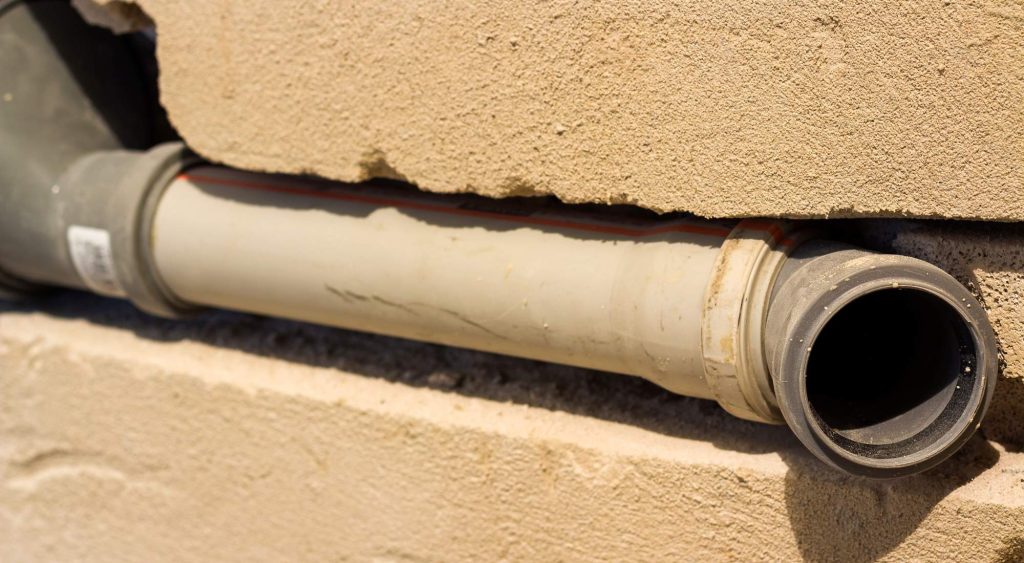
- Cracks in the foundation: If you see cracks on the foundation or on the exterior/interior walls, this can indicate shifting or settling. You may have doors and windows that no longer close properly or floors that sag or seem irregularly sloped — implying movement in the foundation as well.
- Unexplained moisture or pooling water: Random areas of wetness on hard floors or parts of carpeting that remain damp without any apparent cause can cause the subflooring and foundation to deteriorate over time.
- Musty odors in your home: As water accumulates under the foundation, it can create an ideal environment for mold and mildew to grow, often resulting in a musty smell.
6 Common Causes of Slab Leaks
#1: Abrasion or Friction Between the Water Pipe and Other Objects
As the pipes under your foundation circulate water to your household, the movement of the water can cause the pipes to scrape against the concrete slab on your property.
Pipes can brush against other types of objects, such as:
- Gravel
- Dirt
- Tree roots
- Other pipes
If a pipe begins to rub against the concrete foundation or other objects, the total amount of friction increases and may cause damage to the exterior of your pipes.
If the exterior of your pipe walls becomes too thin, a water leak can form near your slab foundation.
#2: Shifts in the Foundation or Concrete Slab
A shifting foundation can cause a slab leak by putting pressure on the pipes beneath it, leading to cracks and breaks. Shifts in the foundation can occur due to:
- Soil-related causes
- Poor construction
- Environmental factors
Soil that isn’t properly compacted before construction can settle unevenly and may cause the foundation to shift. Water saturation can cause soil to swell, while dry periods can cause it to shrink, both potentially leading to movement.
The vibration in the ground from earthquakes can also have devastating effects on the pipes in the concrete slab beneath your home, as it may cause cracks and holes to form in pipes.
#3: Expansion or Contraction of the Soil
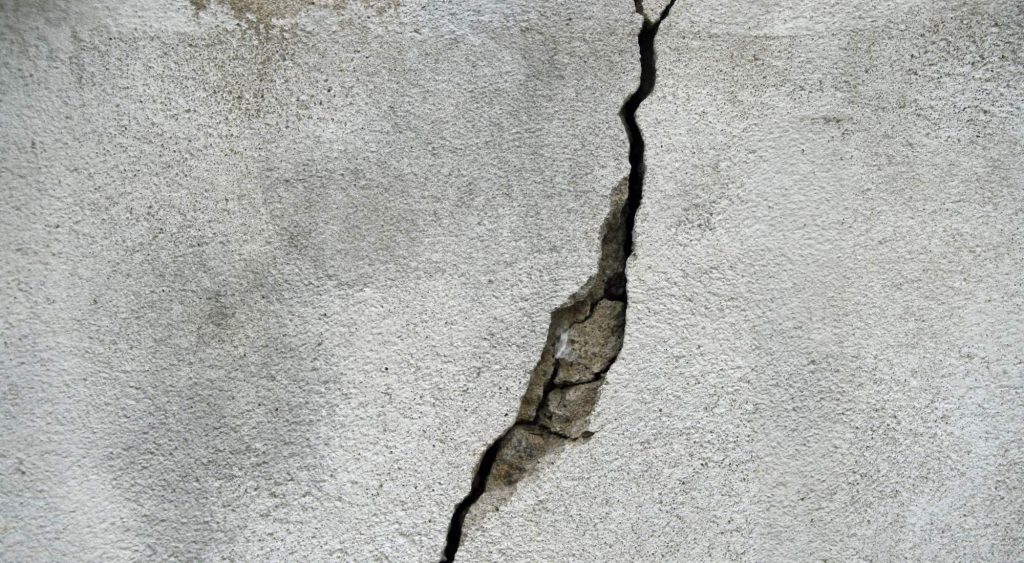
Slab foundations are vulnerable to soil movement and moisture damage. Since they are directly placed on top of the ground, they are more prone to damage from soil expansion and contraction due to weather changes and other environmental factors.
Environmental factors that may impact soil and put stress on your foundation include:
- Extreme heat or cold
- Heavy rains
- Freeze-thaw cycles
For example, if you experience hot, dry summers and occasional heavy rainfall, this can create extreme fluctuations in soil moisture levels. These moisture fluctuations can amplify the expansion and contraction of the soil, putting even more stress on your foundation.
In one study, inadequate site drainage and soil drainage were found to be the two main causes of distress in ground floor slabs of residential buildings.
The movement of the soil under your foundation can damage water pipes. The water from the leaking pipes can then cause the ground to shift even further, sparking a domino effect that may go unnoticed for some time.
#4: Defective Material
The choice of plumbing materials used during construction can contribute to slab leaks.
Cast iron and galvanized pipes are common in older homes, and although these materials are durable, they’re also prone to rust and clogging as they age.
In one study, research collected from the Vinyl Institute indicated that each year, more than 300,000 water main breaks occur in North America, mainly due to the continued use of corrosion-prone iron piping.
Newer homes using plastic pipes such as PVC (polyvinyl chloride) pipe, CPVC (chlorinated polyvinyl chloride) pipe, or PEX (cross-linked polyethylene) are corrosion-resistant and easier to handle and install.
#5: Pipe Deterioration
Pipes can corrode from exposure to certain elements in the water and soil.
If the water or soil is too acidic or too alkaline, it may create a chemical imbalance that can corrode your pipes. Over time, these chemical reactions can weaken the pipe walls, leading to leaks.
Some research indicates that, depending on the concentration of the corrosive components of the environment, the strain increment can be up to 20–30%. The same research found that soil acid electrolytes can degrade pipeline steel, causing spontaneous depressurization of the pipeline.
Certain pipe materials are more prone to corrosion, such as:
- Galvanized steel
- Cast iron
- Copper pipes
#6: Improper Installation
A slab leak caused by improper installation can happen when plumbing pipes are damaged or installed incorrectly under a home’s foundation.
Common installation errors include:
- Kinking or denting pipes during the installation process
- Failing to properly solder or crimp joints
- Laying pipes on rough surfaces like gravel without a sand bed
If improper piping installation has left you with a slab leak, it’s vital for you to use a professional plumbing company you can trust for slab leak detection and repair.
Contact All Pro Plumbing for plumbing services you can count on. As a local, family and veteran-owned plumbing contractor, we serve the greater Portland metro area with a quality experience, professionalism, and customer focus.
How Do Plumbers Detect a Slab Leak?
There are a variety of ways that plumbers can check for leaks. Noninvasive checks use tools to locate leaks from the outside, while invasive checks require opening walls, floors, or digging to access the pipes. Non-invasive methods are typically the first choice because they are faster, cheaper, and cause minimal or no damage to your property.
Video Pipe Inspection
A plumber can perform a video inspection using a special waterproof camera attached to a flexible snake, allowing it to feed through any water lines or underground pipes, including pipes under your home’s cement foundation.
The video footage is transmitted in real-time, so the condition inside your pipes or drain lines can be assessed immediately, and footage can be saved for future reference.
Video leak detection is precise, as it enables your plumber to pinpoint the exact location of the leak and find its root cause.
Infrared Moisture Thermal Detection
Infrared moisture detection uses thermal cameras to find hidden leaks by detecting temperature differences caused by the presence of water.
A plumber can use this technology to scan walls, floors, and ceilings, distinguishing where water has caused temperature variations. This method helps plumbers identify potential leak sources without needing to demolish areas in your home first.
Pressure Testing
Pressure testing involves isolating sections of the plumbing system by shutting off the water supply and pressurizing the system with air to detect any pressure drop. A pressure drop in a particular area can indicate the presence of a leak.
Electronic Leak Detection
Electronic leak detection uses sensors and microphones to detect the sound of water escaping from pipes. This equipment is designed to amplify the sound of water flowing through pipes, making it easier to pinpoint the exact location of a leak.
Experienced plumbing professionals, such as All Pro Plumbing, can listen for the characteristic sound of water escaping from a damaged pipe and identify the area where the leak is likely to be located.
What Is the Best Way To Fix a Slab Leak?
There are a variety of ways that plumbers can check for leaks. Noninvasive checks use tools to locate leaks from the outside, while invasive checks require opening walls, floors, or digging to access the pipes. Non-invasive methods are typically the first choice because they are faster, cheaper, and cause minimal or no damage to your property.
Video Pipe Inspection
A plumber can perform a video inspection using a special waterproof camera attached to a flexible snake, allowing it to feed through any water lines or underground pipes, including pipes under your home’s cement foundation.
The video footage is transmitted in real-time, so the condition inside your pipes or drain lines can be assessed immediately, and footage can be saved for future reference.
Video leak detection is precise, as it enables your plumber to pinpoint the exact location of the leak and find its root cause.
Infrared Moisture Thermal Detection
Infrared moisture detection uses thermal cameras to find hidden leaks by detecting temperature differences caused by the presence of water.
A plumber can use this technology to scan walls, floors, and ceilings, distinguishing where water has caused temperature variations. This method helps plumbers identify potential leak sources without needing to demolish areas in your home first.
Pressure Testing
Pressure testing involves isolating sections of the plumbing system by shutting off the water supply and pressurizing the system with air to detect any pressure drop. A pressure drop in a particular area can indicate the presence of a leak.
Electronic Leak Detection
Electronic leak detection uses sensors and microphones to detect the sound of water escaping from pipes. This equipment is designed to amplify the sound of water flowing through pipes, making it easier to pinpoint the exact location of a leak.
Experienced plumbing professionals, such as All Pro Plumbing, can listen for the characteristic sound of water escaping from a damaged pipe and identify the area where the leak is likely to be located.
What Is the Best Way To Fix a Slab Leak?
The best way to repair a slab leak can depend on many factors, such as the:
- Type of leak
- Location of the leak
- Pipe material
- Condition and age of your plumbing
- Extent of the damage
There are several ways plumbers can fix leaks. Information on the four most common repair methods is outlined below.
4 Slab Leak Repair Methods
#1: Spot Repair
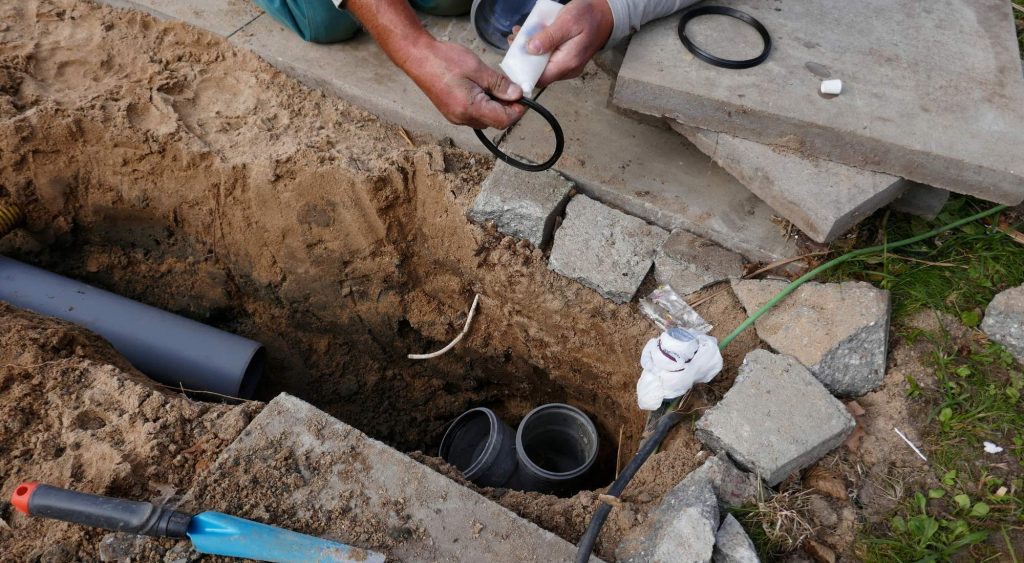
This repair method involves using a jackhammer to break up the flooring and concrete where the leak is located to access the leaking pipe, which is then patched, replaced, or reconnected.
A spot repair isn’t recommended if there are multiple leaks or your pipes are old and prone to future issues, because it can be messy, invasive, and, if not done correctly, can make more holes in your pipes.
#2: Rerouting the Pipes
Rerouting your pipes is a solution for a slab leak that involves creating a new plumbing line, installing new pipes above the slab that can go around the leaking section, and bypassing the damaged ones.
This method is less invasive than breaking through the concrete and is ideal for multiple leaks or older pipes that may be corroded or in poor condition.
#3: Pipe Lining
For leaks in hard-to-access areas, pipe lining can be an effective solution. This method involves coating the inside of your pipes with an epoxy-saturated liner to create a new, seamless pipe within the old one.
The epoxy resin is resistant to corrosion and leaks, making it an ideal choice for preventing future plumbing issues.
#4: Repiping
Repiping is a permanent solution to a slab leak that entails removing the old pipes entirely and installing fresh, new ones.
Although it can be a time-consuming installation process and a higher upfront cost, repiping allows you to replace outdated pipe materials with modern, durable options. Other benefits to repiping may include:
- Eliminating the root cause of your leak and preventing future leaks
- Improving your water pressure
- Increasing your home value
At All Pro Plumbing, our experts are versed in slab leak detection and water line repair. We keep up with all the latest plumbing technologies and innovations so we can work quickly and efficiently to get your home running the way it should.
Is a Slab Leak Expensive To Repair?
The cost of a slab leak repair is determined by the type of repair that needs to be done. According to 2025 data from Angi, you might pay as little as $300 if you only have a minor leak, but leaks that are difficult to reach could increase the price to around $6,750.
Give All Pro Plumbing a call. We’ll assess and diagnose your plumbing problem before giving you an accurate estimate.
Call All Pro Plumbing for Accurate Slab Leak Detection and Expert Repairs
If you’re noticing the signs of a slab leak, contact the experts at All Pro Plumbing.
We can quickly figure out whether you have a slab leak and recommend the best way to fix it. Whether it’s on a holiday or the weekend, we are Portland’s first choice for emergency plumbing services — anytime you need us.
Here are some of the top-notch plumbing services we provide:
- Residential plumbing services
- Water heater service, repair, and installation
- Drain cleaning services
- Commercial plumbing services
Contact us today to learn more about our affordable, honest pricing. We guarantee complete customer satisfaction on every job.