Plumbing Checklist for Summer: Essentials To Keep Your System Running Smoothly
Whether you’re trying to keep your lawn lush despite baking outdoor temperatures, your kids are home playing in the sprinkler all summer, or everyone in the household is showering more often, your home’s water usage will likely increase significantly during the summer months.
To determine how your plumbing has fared through the ravages of winter and to avoid hefty water bills, summertime is a good time to do a seasonal check of all your plumbing fixtures. Some tasks are probably already routine for you, but it can be easy to overlook others.
Make sure your inspection is thorough so you can have peace of mind that you won’t be paying unnecessarily high amounts for your water usage this summer. All Pro Plumbing provides useful tips for evaluating your home’s indoor and outdoor plumbing system.
Table of Contents
- What Should a Seasonal Checklist Include?
- 16 Summer Plumbing Maintenance Tips
- Indoor Plumbing Summer Checklist
- Outdoor Plumbing Checklist for Summer
- Water Efficiency and Usage Tips for Summer
- Get Ready for Summer With All Pro Plumbing, Your Summer Plumbing Checklist Experts
What Should a Seasonal Checklist Include?
Hidden leaks are the major culprit when it comes to unexpectedly high water bills, so examine all visible plumbing fixtures for signs of leakage. Blockages are another hazard, negatively affecting efficiency and creating pressure buildup that causes damage if not addressed quickly, so checking for/preventing these is also crucial.
Not all leaks and blockages are verifiable by a simple inspection, so if you want to conduct a more thorough check of your plumbing system, consider contacting a licensed, professional plumber like All Pro Plumbing.
16 Summer Plumbing Maintenance Tips
Inspecting the parts of your plumbing system systematically will help ensure you don’t miss something. The following list is comprehensive for most homes.
Indoor Plumbing Summer Checklist
#1: Check for Leaks in Faucets and Fixtures
Even small leaks can cause a lot of waste over time. The most common sources of leaks include:
- Corroded pipes and joints
- Worn or corroded faucets and fixtures
- Major appliances, such as your fridge, water heater, dishwasher, or washing machine
If you discover drips or puddles near any of these items, you’ll need to take action to prevent further damage. Worn out materials (such as faucets, washers, and seals) should be replaced, and all fittings should be tightened.
#2: Inspect Toilets for Silent Leaks
A running toilet continuously feeds water from the tank into the toilet bowl because of a malfunction in any of its components (the flapper, fill valve, chain, or float). You know what it sounds like when the toilet is running, but that sound should stop after about 15–30 seconds.
However, you may have a silent leak, which could occur even if the toilet isn’t running. To determine whether this is happening, place some food coloring into the toilet tank and see if the water in the bowl changes color. If it does, that means there is a leak and you’ll need to inspect the components in the tank to see which needs adjustment or replacement.
#3: Test Water Pressure Levels
The water pressure coming from your faucets and fixtures should fall within the range 40–60 psi. Consistently low pressure could result from plumbing blockages that restrict water flow, leaks, or a failing pressure-reducing valve. High pressure could be due to thermal expansion and may be resolved by installing an expansion tank near the water heater.
Both high and low pressure can result in appliance or fixture failure. Use a pressure gauge to determine your home’s water pressure and whether the problem is local (due to a clog or leak) or systemic (due to a problem with the municipal supply or a faulty pressure-reducing valve).
#4: Clean Showerheads and Aerators
As mineral deposits accumulate on these components, water flow is restricted and less efficient. Restoring water pressure could be as simple as cleaning components with vinegar. You may need to disassemble them to wash them adequately.
#5: Inspect Under-Sink Pipes and Connections
As you examine pipe and joints under sinks, be on the lookout for:
- Moisture
- Corrosion or rust
- Loose fittings
- Cracks
Exposed pipes are especially vulnerable to temperature fluctuations, so carefully inspect pipes in your crawlspace or basement. If you replace them when you first notice signs of damage, you can prevent more costly damage from a burst pipe.
#6: Check the Water Heater
While summertime gives your water heater somewhat of a break, it still works hard to keep your water at an adequate temperature for showers, dishwashing, and clothes washing. As water is heated, sediment precipitates out and coats the inside surface of the water tank (and the anode rod). Over time, this can lead to the accumulation of mineral deposits that reduce the efficiency of the appliance to heat water.
A few things you can do to prevent or address mineral buildup include:
- Draining and flushing the tank
- Replacing a corroded anode rod
- Keeping the temperature set to 120–140 degrees Fahrenheit
A higher default temperature can result in higher energy usage as well.
#7: Run Garbage Disposal With Cold Water
Summer is definitely not the time to allow rotting food and grime to accumulate in the garbage disposal. Not only can it clog up the mechanism, but it can also make your kitchen very smelly.
To properly maintain your garbage disposal:
- Do not put fibrous foods or grease in it. These can tangle the blades and cause clogs, respectively.
- Eliminate odors by running the disposal while pouring in cold water, ice, and citrus peels.
Outdoor Plumbing Checklist for Summer
#8: Inspect Outdoor Faucets and Hose Bibs
Outdoor leaks can be very costly because they often go undetected for a long time, and they can pose a risk to your home’s foundation. When you check your hose bib and any pipes exposed outdoors, look for cracks, leaks, corrosion, or rust. Also take note of any especially lush patches of grass or pools of water.
Check the water pressure of the outdoor spigot by placing your thumb over the opening. If your thumb blocks the flow, there is probably a crack in the pipe letting out water pressure. You can also check for cracks by fully opening the spigot with a hose attached. Water leaking from the hose stem indicates a cracked pipe. Find the source of the leak and replace damaged components to protect your home’s foundation and avoid extreme amounts of water waste.
#9: Check Garden Hoses for Wear and Leaks
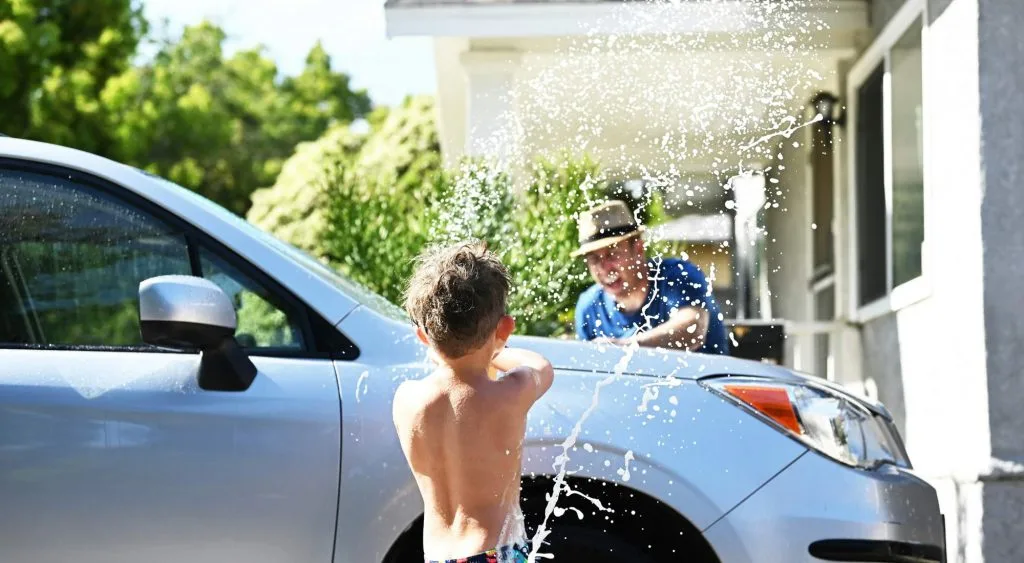
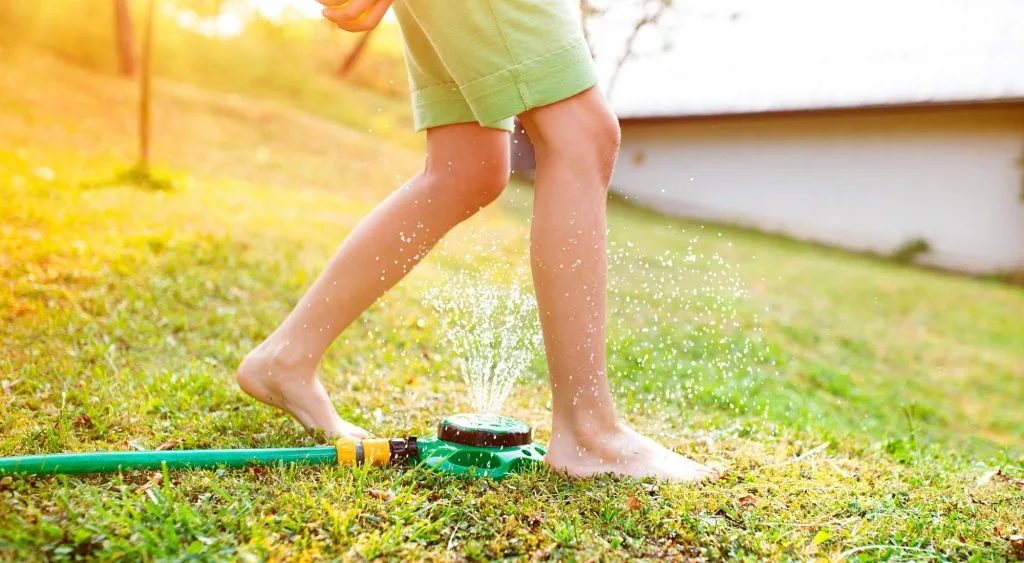
Your hoses will see a lot more use during the summer, whether you’re watering the grass, washing your car, or letting your kids cool off and play in the water. Replace any hose with cracks or perforations. Make sure sprinkler heads aren’t clogged or misaligned. Ensure that your sprinklers are properly timed so you don’t accidentally overwater your grass or water the wrong spots.
#10: Examine Sprinkler Systems
Even if your sprinkler system is new, you need to confirm it has maintained its integrity through the winter. Examine all the sprinkler heads while the system is running to ensure they’re spraying in the right direction and that they’re not cracked or clogged with debris.
#11: Look for Signs of Underground Leaks
Soggy areas in your yard or patches of very lush grass indicate an underground leak. It could be the result of freezing temperatures or tree root infiltration. Some signs that you have a sewage backup caused tree root infiltration include:
- A bathtub that drains slowly
- Gurgling sounds from the toilet
- Bad odors
A professional plumber can inspect your sewer line with a drain camera to determine the state of your underground pipes. The cost of this inspection certainly outweighs the cost to resolve a sewer backup into your basement.
#12: Clean Gutters and Downspouts
Though these aren’t connected to your plumbing system, they can also threaten the health of your foundation. Clogs can prevent your gutters and downspouts from directing water away from your foundation. If water pools around your home, it can lead to basement floods or foundation damage.
To guarantee proper performance, extend downspouts several feet from the dwelling and replace rusted or sagging sections.
Water Efficiency and Usage Tips for Summer
#13: Monitor Water Bills for Spikes
While you may expect relatively higher seasonal usage to increase your water bill, a sudden increase may indicate:
- A hidden leak in underground or outdoor pipes
- A faulty toilet flapper or fill valve
- A faulty pressure relief valve or leak in your water heater
#14: Install Water-Efficient Fixtures
Besides searching for damage, there are proactive ways to minimize water usage and save money. One is by installing appliances with water-efficiency features, such as:
- Low-flow showerheads, faucets, and toilets
- High-efficiency washing machines and dishwashers
- Recirculating hot water systems
- Flow restrictors for faucets
- Fixtures that operate by sensor detection only
- Smart leak detectors
While these may seem a hassle at the outset to purchase and install, cost savings will become clear over time.
#15: Adjust Irrigation Timing
Timing your irrigation properly can make a huge difference in both your water bill and the health of your grass or garden. If you water during the heat of the day, rapid evaporation can scorch your plants and make watering at this time futile. Instead, schedule the sprinklers to turn on in the early morning and (if it’s hot and dry enough) early evening. Water left on plants overnight can allow fungal diseases to thrive. To avoid overwatering or underwatering, adjust watering time lengths as needed, depending on the temperature and moisture level.
#16: Avoid Overloading Drains
While cleanup is a major priority, be sure to do it wisely. Don’t overload your drains with grease, as it can solidify and block your drains. Blockages can also be caused by food, hair, and other debris. Use drain strainers in sinks, tubs, and showers to prevent accumulation of solids in your drains.
You can also clear out drains by washing them with hot water mixed with baking soda and vinegar. This is a good item to add to your monthly task list, but if you notice slow drainage before that, try this before concluding that there’s a more serious problem.
 Get Ready for Summer With All Pro Plumbing, Your Summer Plumbing Checklist Experts
 Get Ready for Summer With All Pro Plumbing, Your Summer Plumbing Checklist Experts
To save yourself time and the hassle and worry of overlooking any critical plumbing issues, leave your summer plumbing inspection to the professionals at All Pro Plumbing, a plumbing company in Hillsboro. We are happy to take the load off your shoulders. Besides inspections, we offer installation and repairs to meet all your plumbing needs.
As a provider of plumbing services in Beaverton and nearby areas for over 20 years, we are a trusted company that prioritizes high-quality, professional work and the satisfaction of our customers. Call us today to schedule service, whether for routine maintenance, remodeling, or emergency assistance.