Why Your Toilet Keeps Running and How To Stop It
It’s 2 a.m., and you hear it: a phantom refill sound coming from the bathroom, a faint hiss no one else in the house seems to notice. You lie there wondering if this is a five-minute fix or a call to the plumber.
Fortunately, a running toilet is usually easy to fix. If your toilet keeps running, most causes trace back to one of three small components inside your tank, and once you know what to look for, you’ll usually spot the cause quickly. A worn flapper, faulty fill valve, or problem with the overflow tube can all cause your toilet to keep running, even when there isn’t an obvious leak around the base.
This guide walks through the exact cause-to-fix path, so you can figure out why your toilet keeps running and what to do about it. We’ll cover the most common problems inside the tank, three quick checks you can make yourself, and when it’s time to call a professional plumber.
Table of Contents
- Why Is Your Toilet Running When It Isn’t Leaking?
- 3 Reasons Your Toilet Keeps Running
- How to Stop a Running Toilet: 3 Quick Checks to Find the Source
- Does a Running Toilet Increase Your Water Bill?
- Is a Running Toilet an Emergency? When to Call a Professional Plumber
- All Pro Plumbing: 20 Years of Fixing Running Toilets and More in Hillsboro
Why Is Your Toilet Running but Not Leaking?
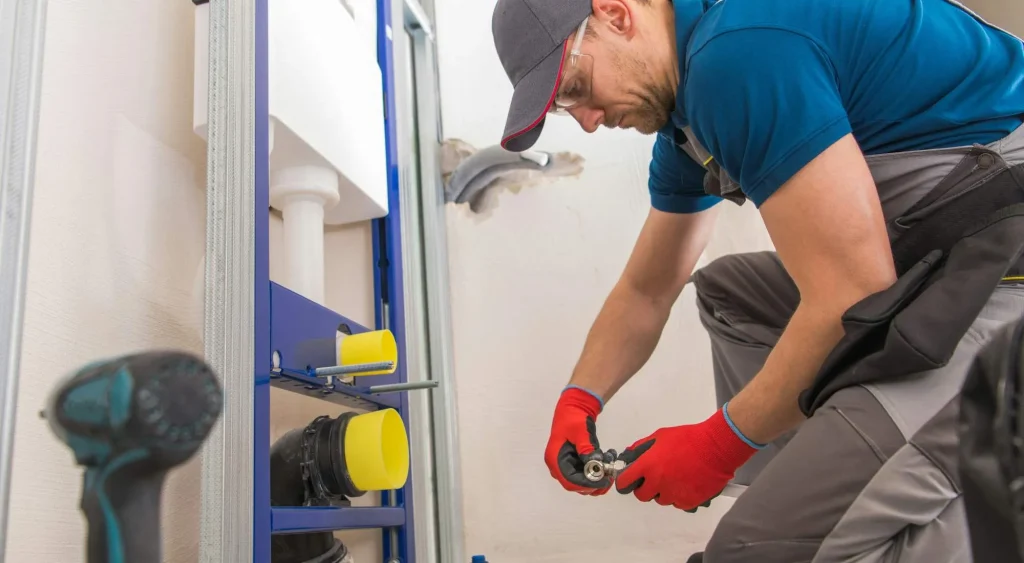
Your toilet might keep running even if you don’t see water on the floor. Water usually leaks from the tank into the bowl, not outside the toilet. Since the water stays inside, you may hear a steady hiss or trickle, but not see any leaks.
This kind of loss happens when the tank doesn’t hold water properly. Instead of staying in the tank until you flush, water slowly leaks into the bowl, and the toilet keeps refilling it. A few quick checks inside the tank can usually help you identify what’s causing the problem.
If you still can’t find the issue, All Pro Plumbing is here to help. We’ll figure out what’s wrong and suggest the best fix. Reach out for a fair estimate, and we’ll get your toilet working again.
3 Reasons Your Toilet Keeps Running
Why does your toilet keep running? Most often, it’s because a worn flapper, faulty fill valve, or problem with the overflow tube is allowing water to keep flowing. Once you know what each component does, you’ll usually spot which one’s failing pretty quickly.
#1: Worn Flapper Valve
The flapper is the rubber seal at the bottom of the tank. It lifts when you flush, letting water rush into the bowl, then drops back down to seal the tank, allowing it to refill.
Over time, that rubber breaks down. Mineral deposits build up on the seal, or the rubber itself warps and stops sitting flat. Once that happens, water leaks past the flapper constantly, and the fill valve keeps trying to compensate.
Signs your flapper’s on its way out include a constant faint trickle you can hear even when no one’s used the bathroom, or having to jiggle the handle to get the flapper to reseat. Over time, flappers can deteriorate and lose their ability to create a proper seal, allowing water to leak from the tank into the bowl and increasing water waste.
#2: Faulty Fill Valve
The fill valve controls how much water enters the tank after a flush, and it’s supposed to shut off once the water reaches the right level.
When it wears out or sticks, it may fail to shut off completely, allowing water to continue flowing into the tank. You may hear a steady hiss that never quite goes away, even after the tank should have finished refilling.
A faulty fill valve can also make it difficult to maintain the correct water level in the tank. If adjusting the valve doesn’t solve the problem, the valve itself may need to be replaced.
#3: Misaligned Overflow Tube
The overflow tube is the tank’s safety drain. If water ever rises too high, it’s designed to funnel the excess into the bowl instead of over the tank’s edge and onto your floor.
If the tube sits too low, gets bumped during a repair, or was installed slightly crooked, water can drain into it constantly, well before the tank actually needs it to. A tube that’s positioned incorrectly can therefore cause a running toilet even when the flapper and fill valve are working properly.
It’s an easy cause to overlook because the tube usually looks fine at a glance. But if you notice the tube is cracked or visibly bent, you’re dealing with more than a simple adjustment. A damaged overflow tube may need to be repaired or replaced to stop the water from continuing to flow into the bowl.
How to Stop a Running Toilet: 3 Quick Checks to Find the Source
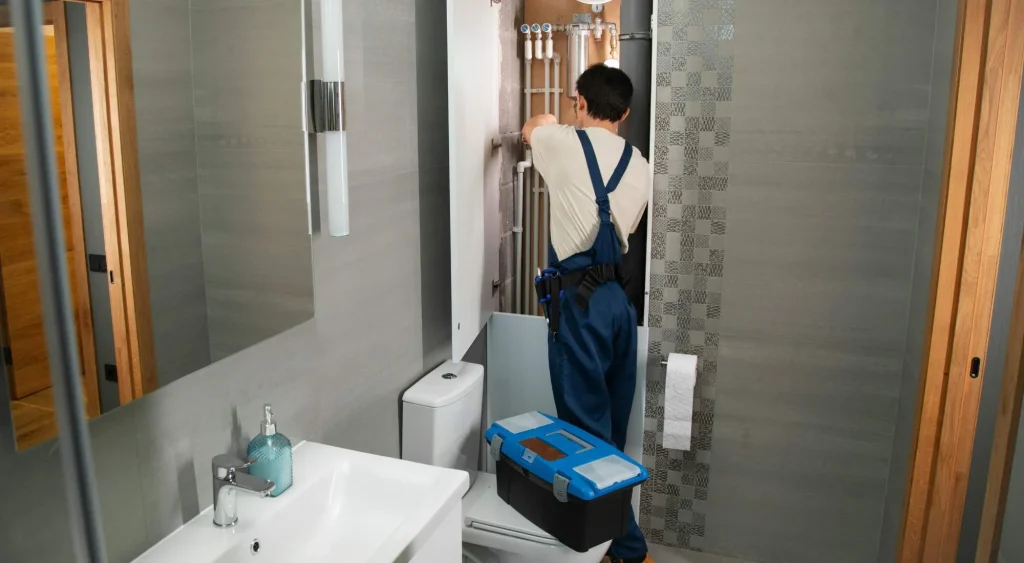
Learning how to fix a toilet that keeps running starts with a few simple checks inside the tank. Before you call anyone, these three steps can help you identify the problem and may be all you need to get your toilet working normally again.
#1: Check the Flapper Seal
Turn off the water supply valve behind the toilet first. It’s usually a small oval handle low on the wall or floor.
With the tank drained, lift the flapper out and look it over. Cracks, warping, or a slimy mineral film on the seal can all prevent it from sitting flat and point to a flapper that needs replacing.
A flapper is an inexpensive part, and it’s one of the easiest tank components to swap yourself. Match the size and model to what’s already in your tank, and replacing it is usually a fairly straightforward repair.
#2: Check the Chain and Flush Lever
Look at the chain connecting your flush lever to the flapper. Too much slack can keep the flapper from closing properly, while too little tension can hold it open just enough to keep water trickling through.
Try repositioning the clip on the chain by a link or two before assuming you need a whole new flapper assembly. A small adjustment may be enough to help the flapper close and create a proper seal again.
#3: Check the Water Level Against the Overflow Tube
With the tank lid off, look at where the waterline sits relative to the overflow tube. It should typically rest about an inch below the top of the tube.
If the water is higher than that or actively spilling into the tube, your fill valve may need adjustment or replacement. If the water level looks normal but water is still entering the overflow tube, check the tube itself for cracks, damage, or improper positioning.
Older toilets that need this kind of fix over and over might be better candidates for a full toilet installation than another round of patchwork repairs, especially once several components start failing around the same time.
Does a Running Toilet Increase Your Water Bill?
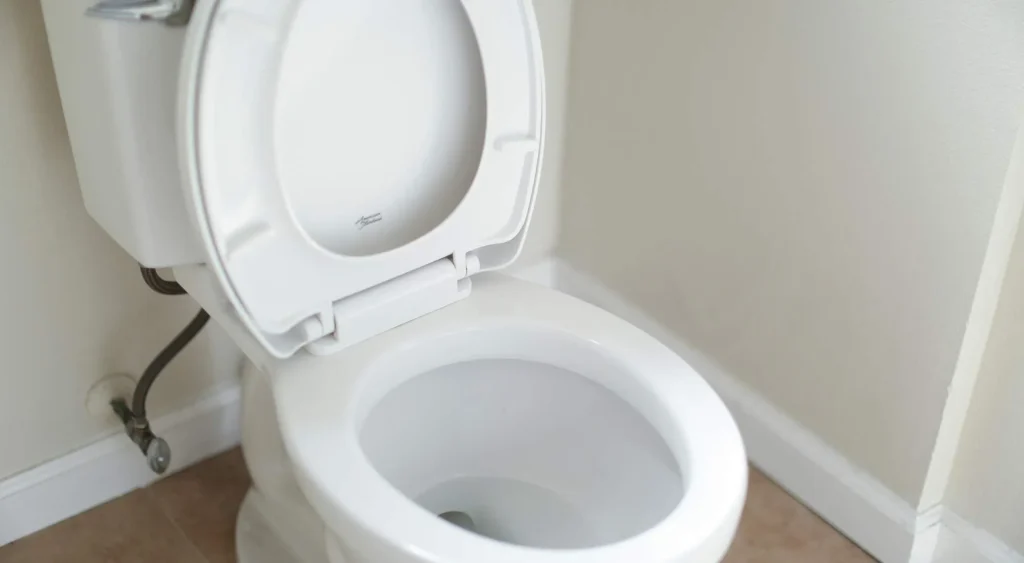
Yes. A running toilet can waste a surprising amount of water every day, and you’ll usually notice it as a spike on your next bill, even if the sound itself seems minor. What sounds like a faint trickle in the tank can mean gallons of water disappearing down the overflow tube hour after hour.
Running toilets are one of the most common causes of water waste in the home, and they’re often easy to overlook because the tank looks completely normal from the outside. A single running toilet can waste about 200 gallons of water every day, so even a small, persistent leak can add up quickly.
That adds up fast.
Even a toilet that runs intermittently can waste more water than you might expect because the fill valve keeps turning on to replace water that has slowly escaped from the tank. The longer the problem continues, the more water, and money, you could be sending down the drain.
If a running toilet is starting to affect your water bill, the team at All Pro Plumbing can take care of it. We’ve been helping homeowners in Hillsboro and the greater Portland Metro area for over 20 years. Reach out for a fair, straightforward estimate, and let us help you find the cause of the problem.
Is a Running Toilet an Emergency? When to Call a Professional Plumber
Usually not, in the sense of immediate flooding risk. But a running toilet is still worth fixing as soon as possible, since the water waste and bill impact start on day one, whether the tank is trickling constantly or just cycling intermittently.
Call for same-day help if you notice water pooling around the base of the toilet, a cracked tank, or a running issue that comes right back after you’ve already replaced the flapper. At that point, you’re likely dealing with a fill valve or another underlying issue that needs a professional diagnosis.
What Happens If You Ignore a Running Toilet?
Ignoring a running toilet can lead to ongoing water waste and higher utility bills. Even a toilet that only runs intermittently can waste water over time, and a problem that doesn’t get fixed may eventually require more extensive repairs.
The longer water continues flowing into the bowl or through the overflow tube, the more water you’re using without getting any benefit from it. What starts as a faint trickle can add up over days or weeks.
Pay attention to whether the problem keeps coming back after a simple repair. If you’ve replaced the flapper and your toilet is still running, the issue may involve the fill valve, overflow tube, or another component that needs a closer look.
If a plumbing problem recurs after a simple fix or you notice signs of a bigger issue, it’s best to call a professional plumber.
All Pro Plumbing: 20 Years of Fixing Running Toilets and More in Hillsboro
All Pro Plumbing is a veteran-owned, licensed, bonded, and insured plumbing company that’s served Hillsboro and the greater Portland Metro area for over 20 years. In that time, we’ve seen just about every version of a running toilet there is, from a simple worn flapper to issues that keep coming back after repeated repairs.
If you’re having trouble with your toilet, dealing with a toilet that keeps running, or have another plumbing issue, All Pro Plumbing can help with:
- Toilet repair and troubleshooting
- Residential plumbing repairs
- Toilet replacement and installation
- Drain cleaning and other plumbing services
Contact us for a straightforward, honest estimate. We’re happy to take a look, explain what’s happening inside your tank, and get your plumbing working the way your home deserves.